24 hr
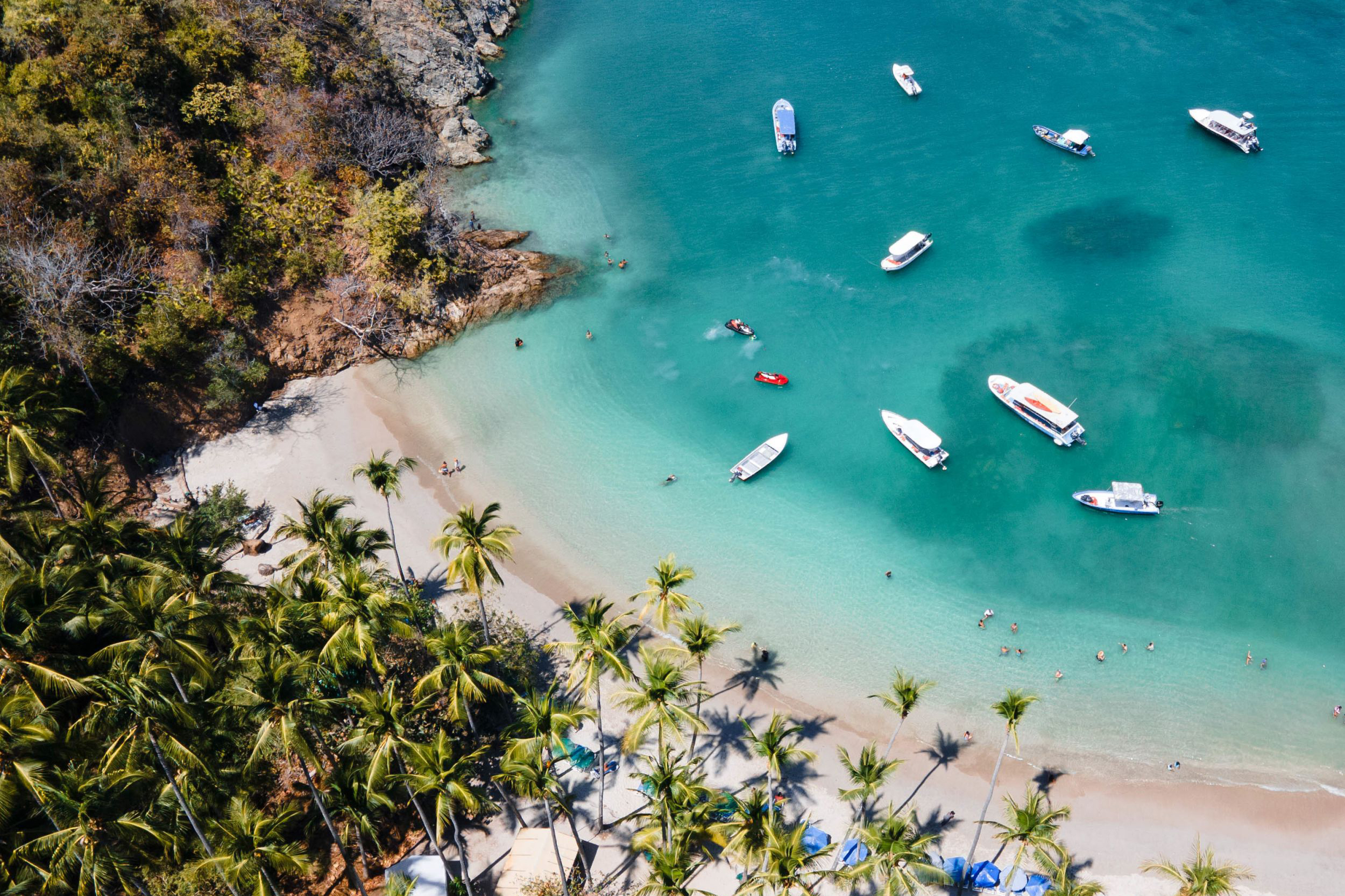
Tortuga Island Day Trip with Snorkeling & Beachside Lunch
- Expert local guide
- Small group
- Skip-the-line access
- Free cancellation
Snorkeling Costa Rica — Caribbean Reefs & Pacific Marine Reserves
Coral gardens and sea turtle encounters, from Cahuita's shallow reefs to Caño Island's deep-water migrations
Compare fares, pick the fit — all bookings are mobile-voucher and eligible for free cancellation where shown.
24 hr
4 hr
4 hr
| Experience | Duration | Rating | Transfers | Pickup | Lunch | Free cancel. | Price | |
|---|---|---|---|---|---|---|---|---|
|
Guided Experience
Most popular
Tortuga Island Day Trip with Snorkeling & Beachside Lunch
|
24 hr | ★ 4.5 | ✓ | ✓ | ✓ | ✓ | $100 | Book → |
|
Premium Combo
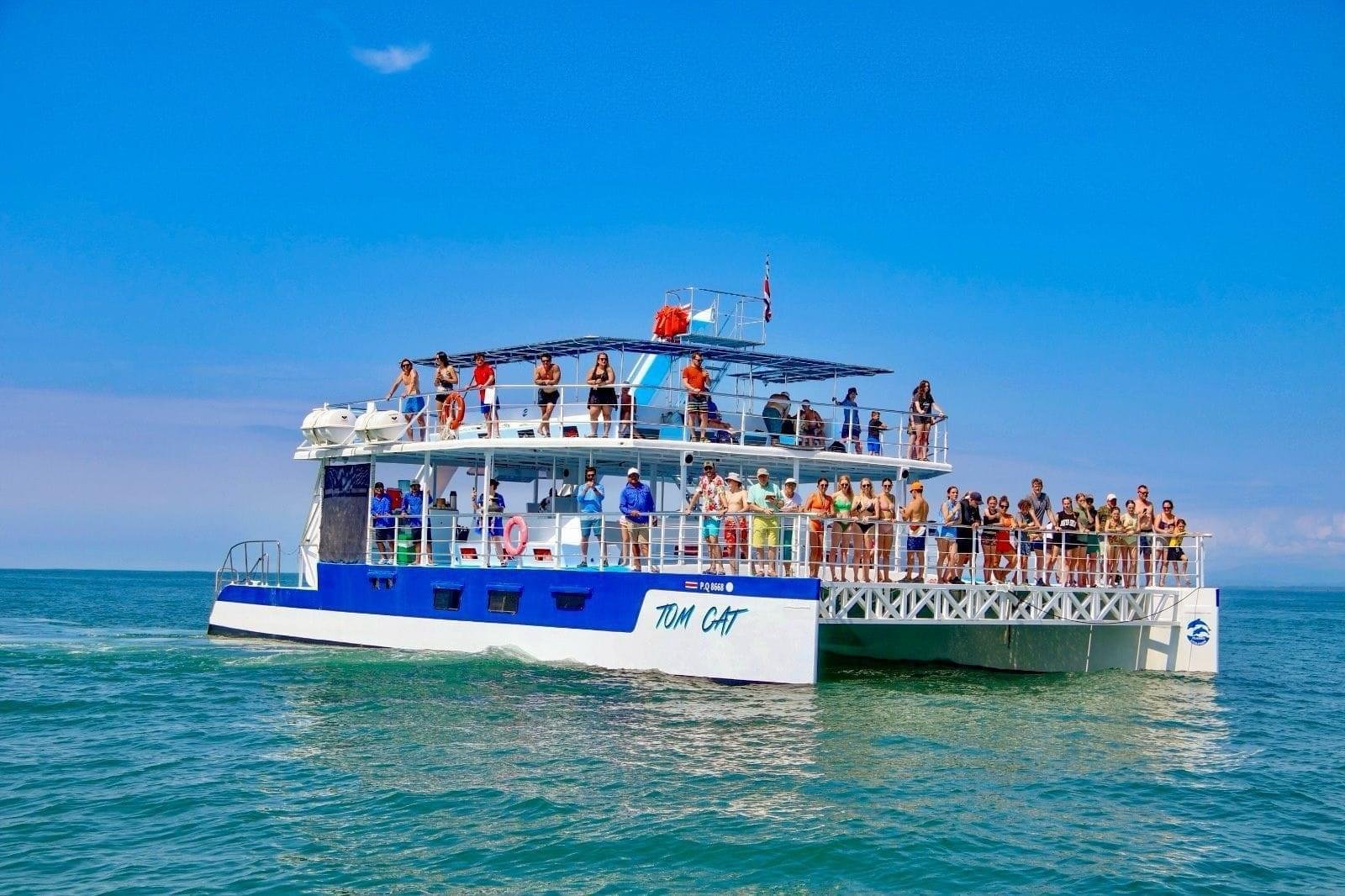
Playa Flamingo Catamaran Sail & Snorkel with Lunch
|
4 hr | ★ 4.8 | — | ✓ | ✓ | ✓ | €84 | Book → |
|
Standard Entry
Tamarindo Bay Catamaran Sailing & Snorkeling Experience
|
4 hr | ★ 4.5 | — | — | — | ✓ | €88 | Book → |
Worth it for reef access seekers
The 5 USD entrance fee at Puerto Vargas grants access to one of Costa Rica's most protected shallow coral reefs, a rarity along the Caribbean coast where most beaches offer free entry but limited marine biodiversity. Snorkeling costa rica at Cahuita delivers visibility that peaks between morning tides, revealing parrotfish, angelfish, and brain coral formations within wading depth—marine life you won't encounter at nearby Playa Negra or Cocles Beach despite their zero-cost access. The fee funds ranger patrols that enforce no-touch rules, keeping the reef healthier than unmonitored sites. For travelers prioritizing underwater variety over beach lounging, the entrance cost pays back in species density: you're trading the price of a coffee for a protected ecosystem instead of open-water guessing games. Snorkeling costa rica tours through Puerto Vargas also skip the gear-rental upsell common at resort operations, since the shallow reef requires only basic fins and a mask.
Bottom line: Five dollars buys you Costa Rica's most accessible protected reef—worth it if you value marine encounters over beach time alone.
Cahuita National Park provides superior shallow reef access, while Manuel Antonio offers a diverse marine ecosystem reachable via snorkeling Costa Rica tours that explore rocky Pacific coves. Visitors often find that choosing between these locations depends on whether they prioritize coral visibility or scenic boat-based excursions.
|
Top pick Cahuita (Caribbean) |
Manuel Antonio (Pacific) | |
|---|---|---|
| Primary marine habitat | Shallow coral reef | Rocky island coastline |
| Reef accessibility | Direct shore access | Boat access required |
| Water clarity | High in calm conditions | Variable based on surge |
| Marine life diversity | Tropical reef fish | Pelagic species and turtles |
| Best time of year | September to October | December to April |
| Snorkeling infrastructure | Guided local gear rentals | Professional snorkeling Costa Rica tickets |
| See tickets & prices |
Verdict: For travelers seeking to book a snorkeling Costa Rica tour, Cahuita is the better choice for reef enthusiasts, while Manuel Antonio is ideal for those combining aquatic adventures with rugged land-based wildlife viewing.
Hand-picked experiences loved by thousands of travelers
4 hours 30 minutes
Free Cancellation
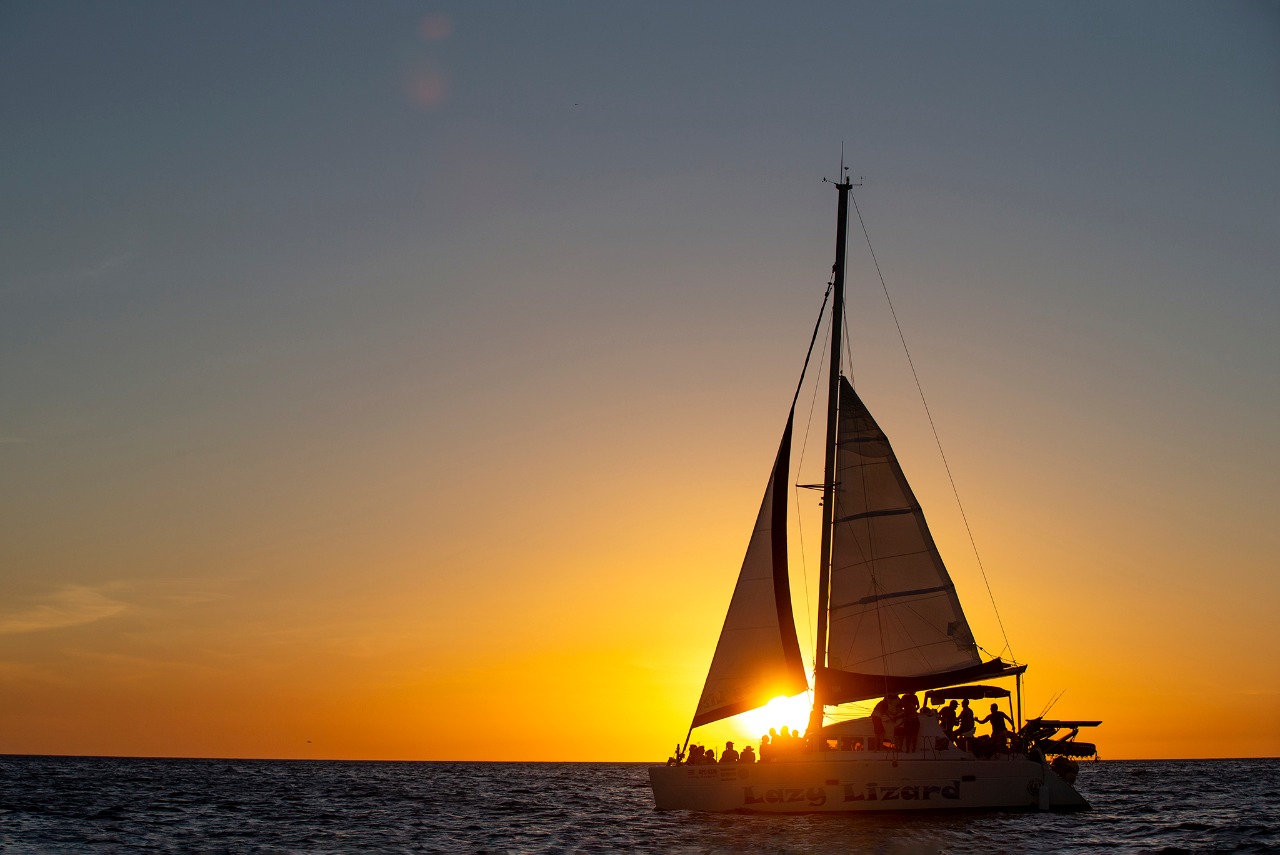
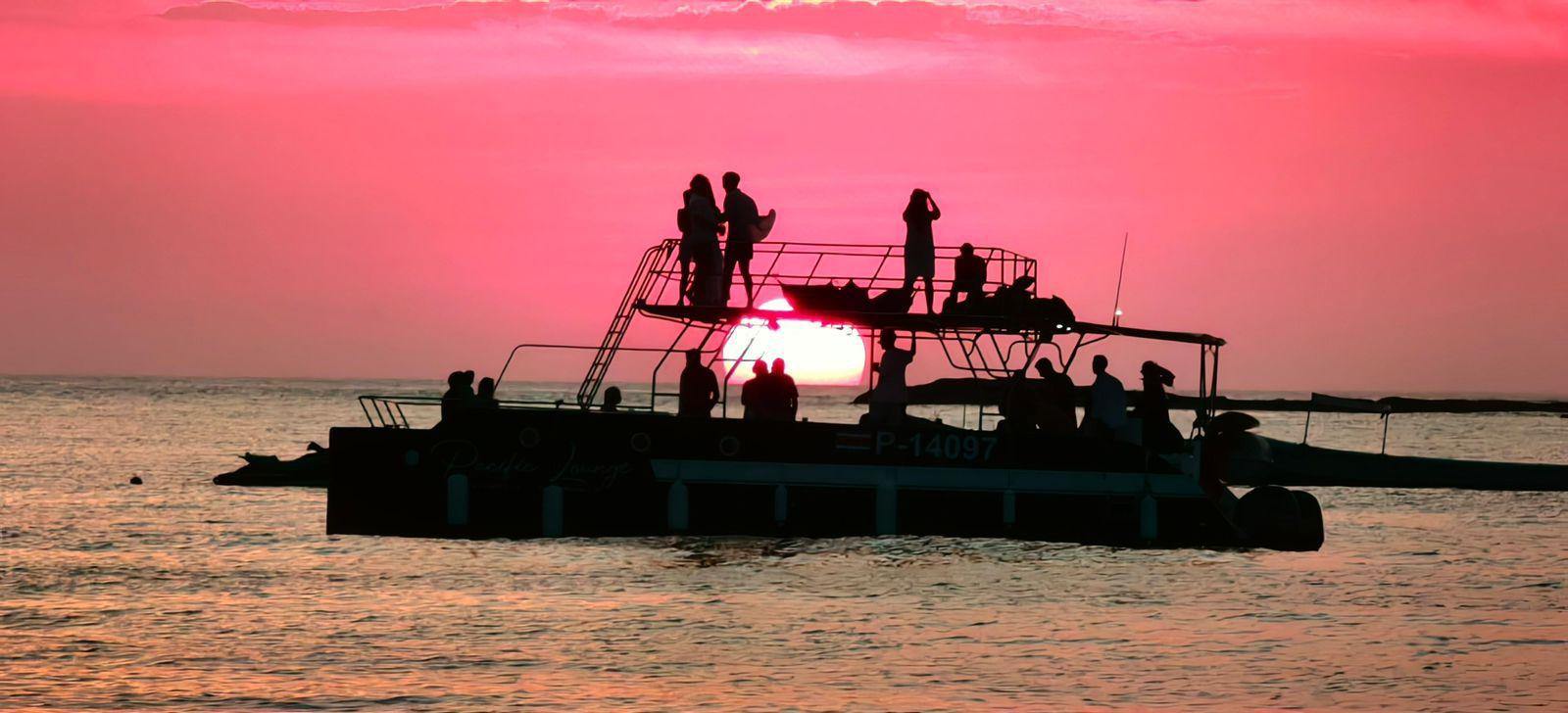
Cruise Costa Rica's stunning coastline aboard a catamaran, snorkel pristine waters, and watch the sky ignite at dusk
6 hours
Free Cancellation
Discover vibrant coral reefs and tropical fish at a protected marine reserve, then unwind on a pristine beach
4 hours
Free Cancellation
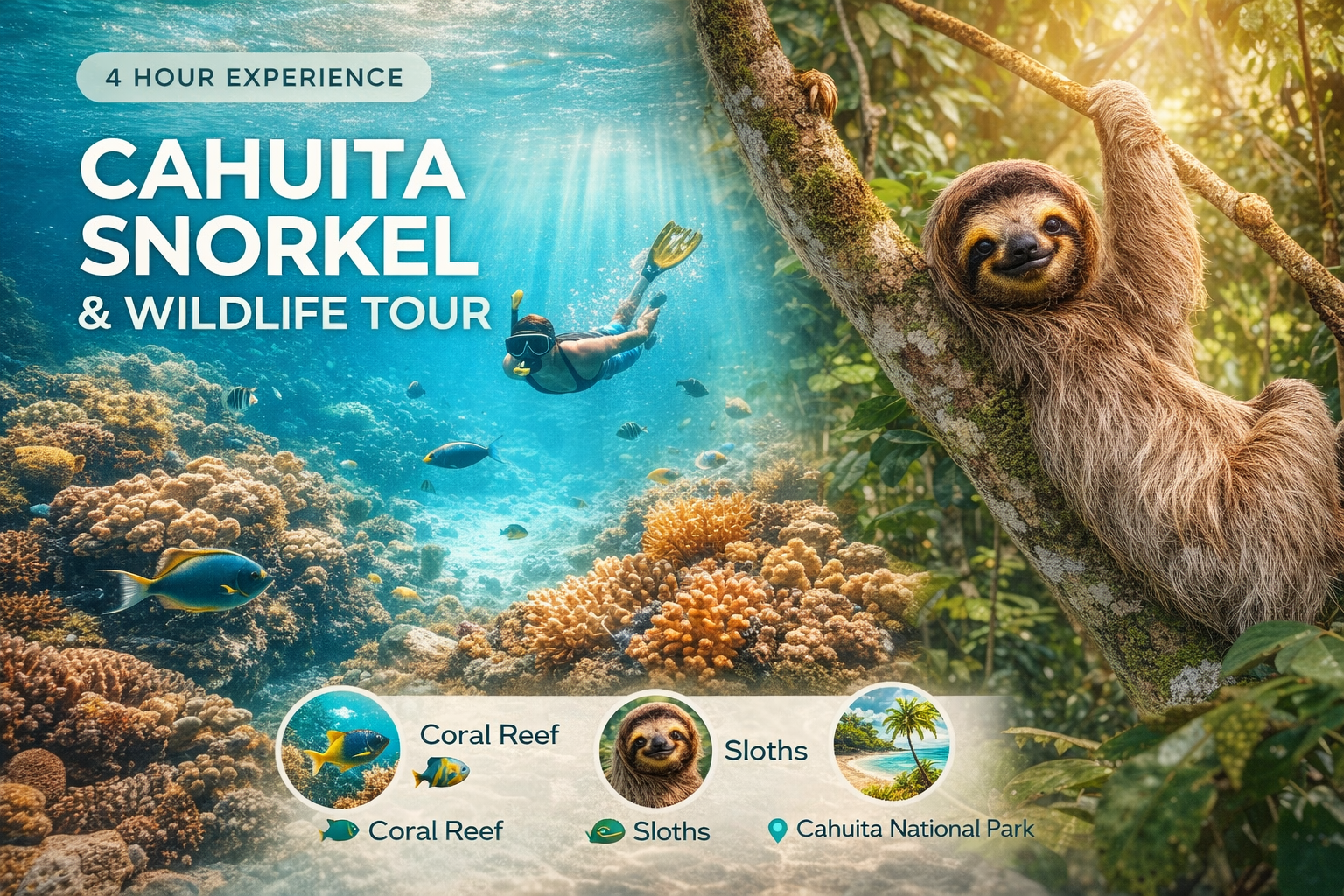
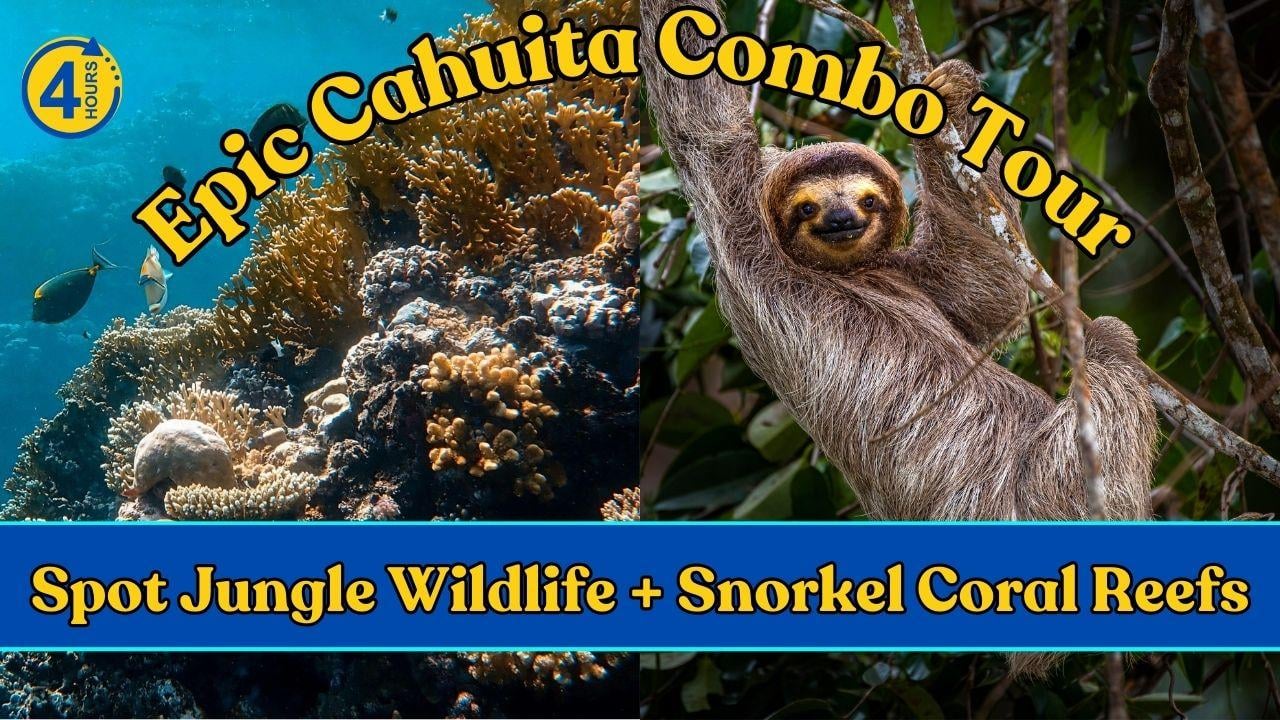
Explore Caribbean coral reefs, hike jungle trails, and spot sloths with expert local guides in this 4-hour eco-tour.
6 hours
Discover pristine coral reefs and encounter sea turtles, rays, and dolphins in protected Pacific waters
3.5 hours
Free Cancellation
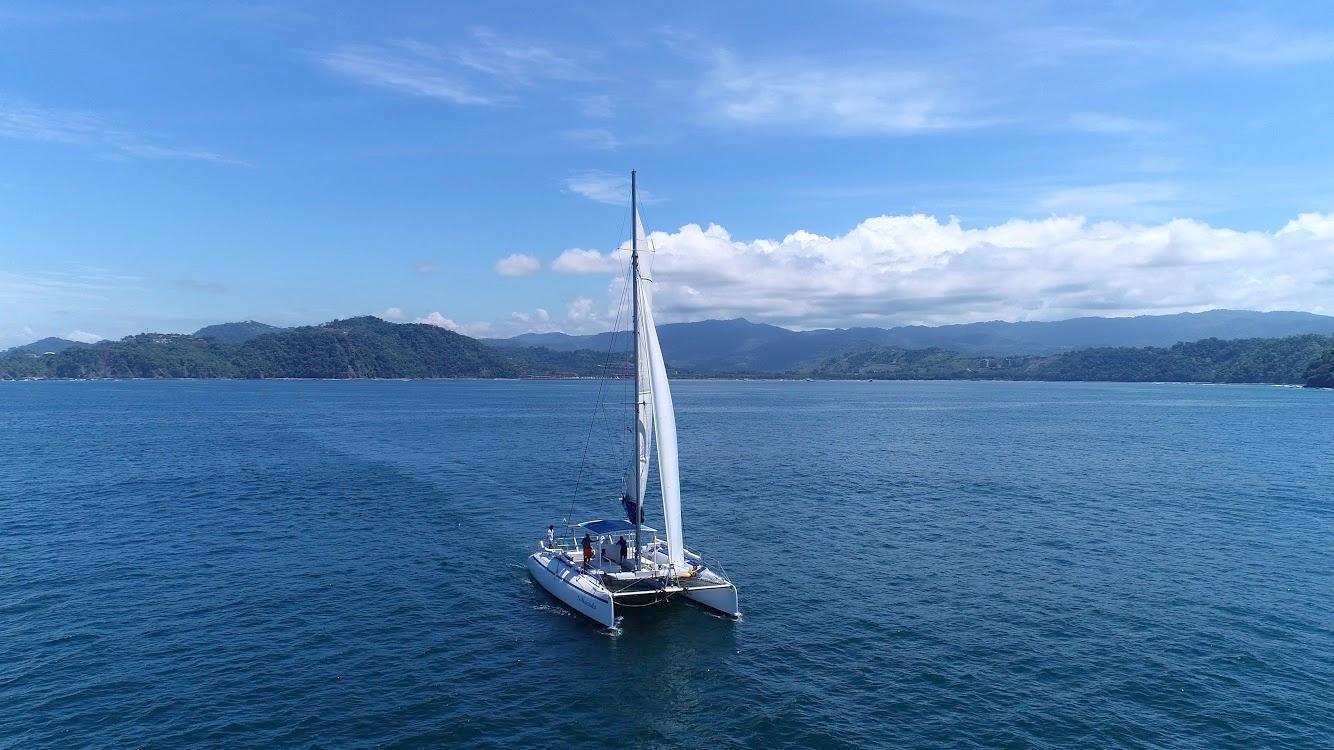
Sail Costa Rica's coast, snorkel in crystal waters, spot dolphins and whales, enjoy gourmet lunch onboard
4 hours
Free Cancellation
Swim with sea turtles and reef sharks, then hike through coastal jungle to spot sloths and monkeys
2 hours 30 minutes
Free Cancellation
Swim among coral gardens and tropical fish, then explore rainforest trails teeming with wildlife
5 hours
Free Cancellation
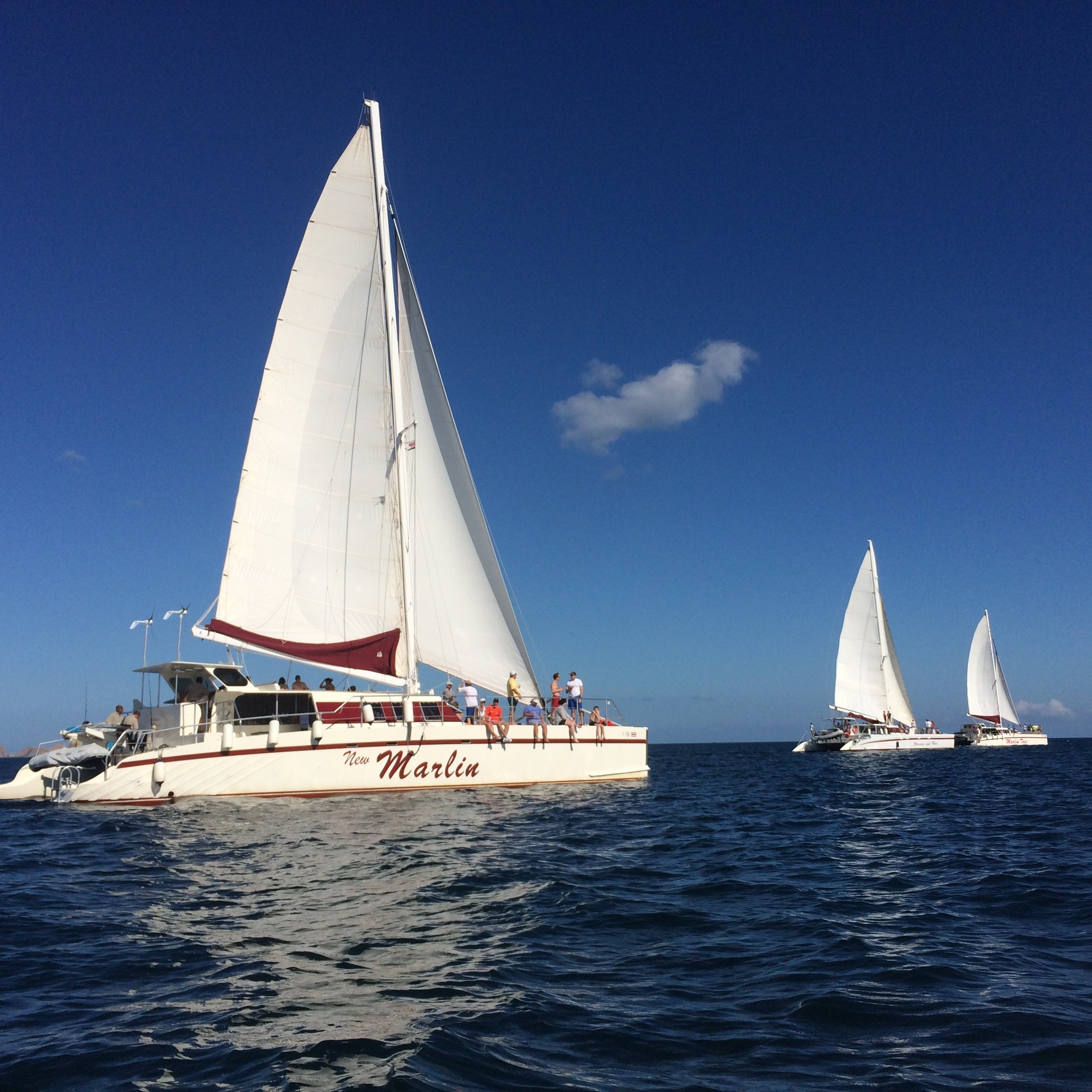
Five-hour sailing adventure with snorkeling, paddleboarding, and a spectacular Pacific sunset
You board a covered panga at Puerto Vargas dock at 8:00, when the Caribbean lies flat and the morning light penetrates to the sandy bottom. The boat cuts south along Cahuita's fringing reef, a 400-meter ribbon of elkhorn and fire coral that parallels the beach.
Your guide signals; you roll backward into 28-degree water, mask flooding briefly before you equalize and kick toward the reef edge.
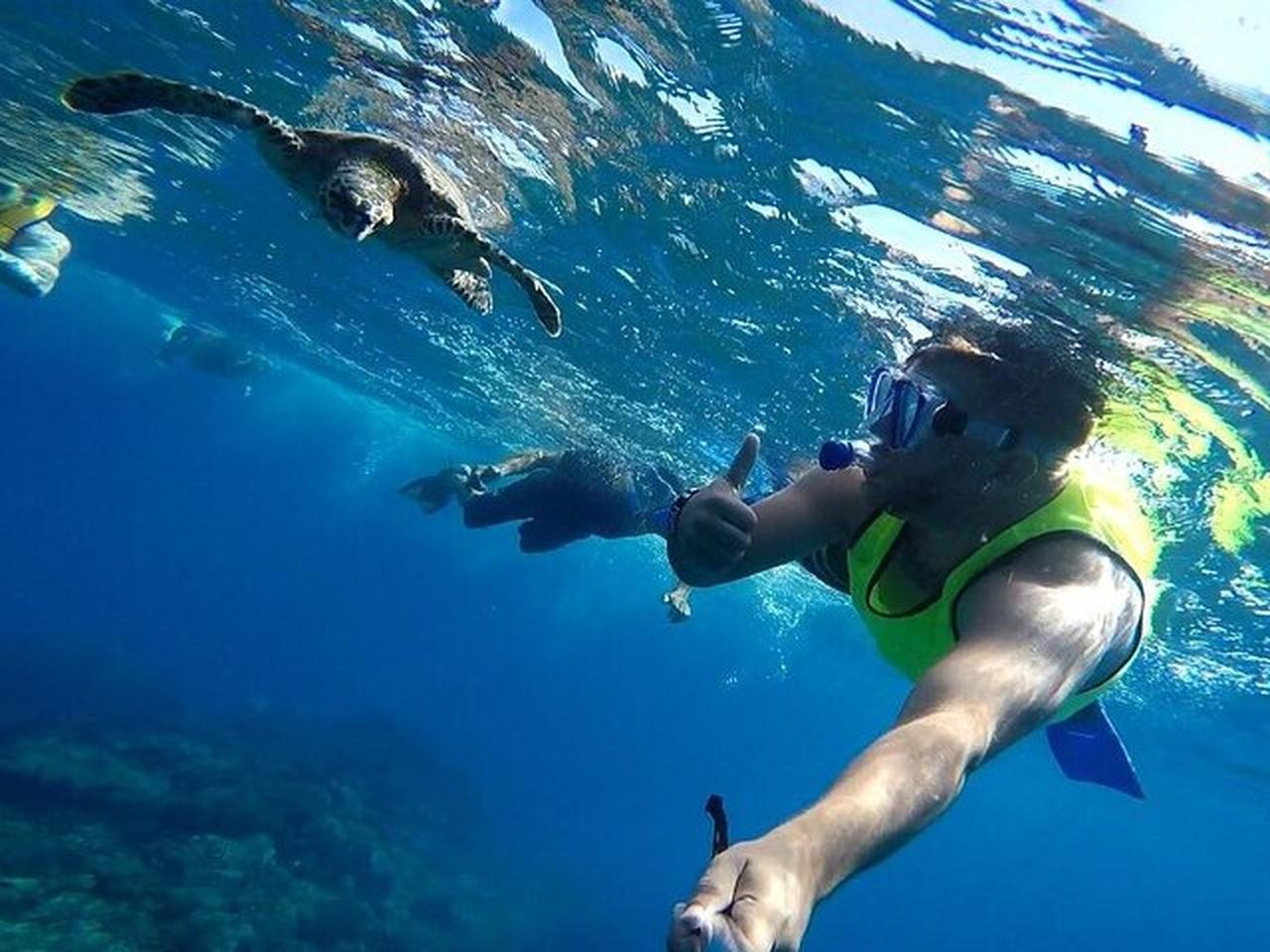
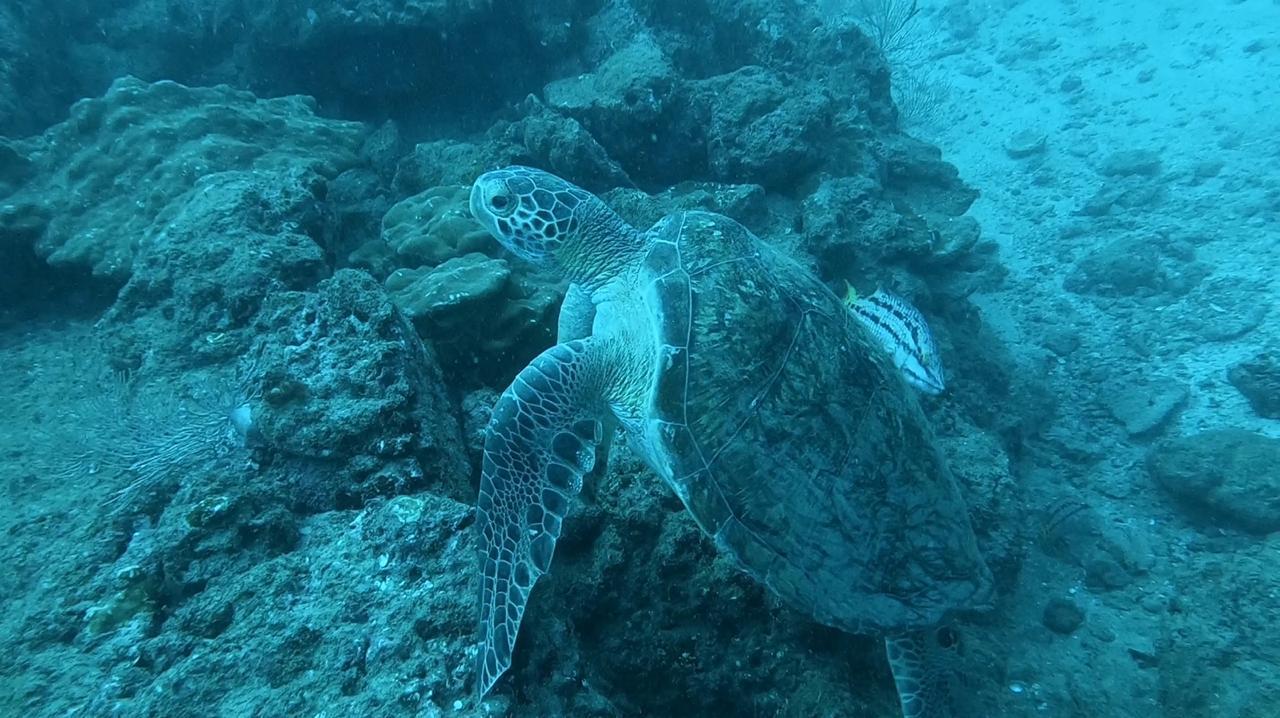
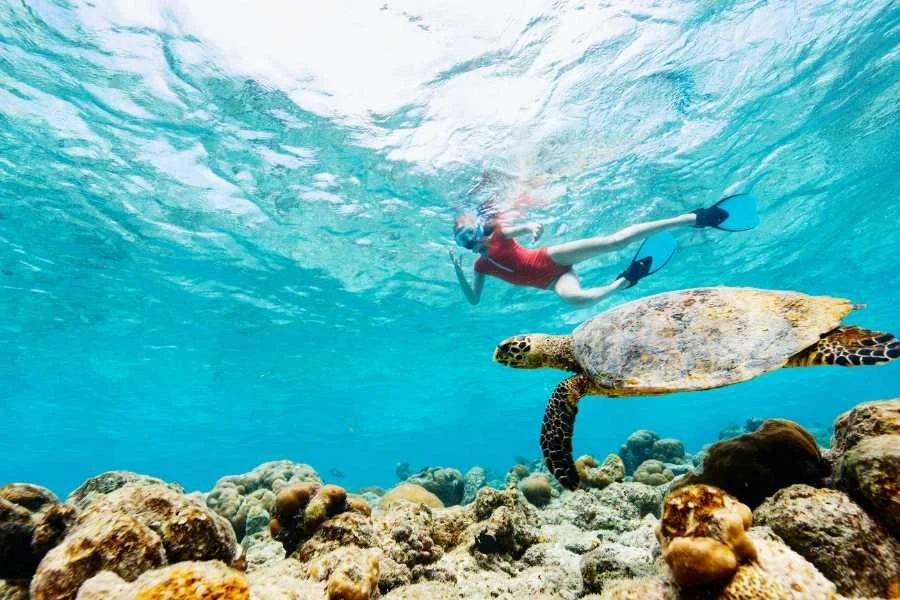
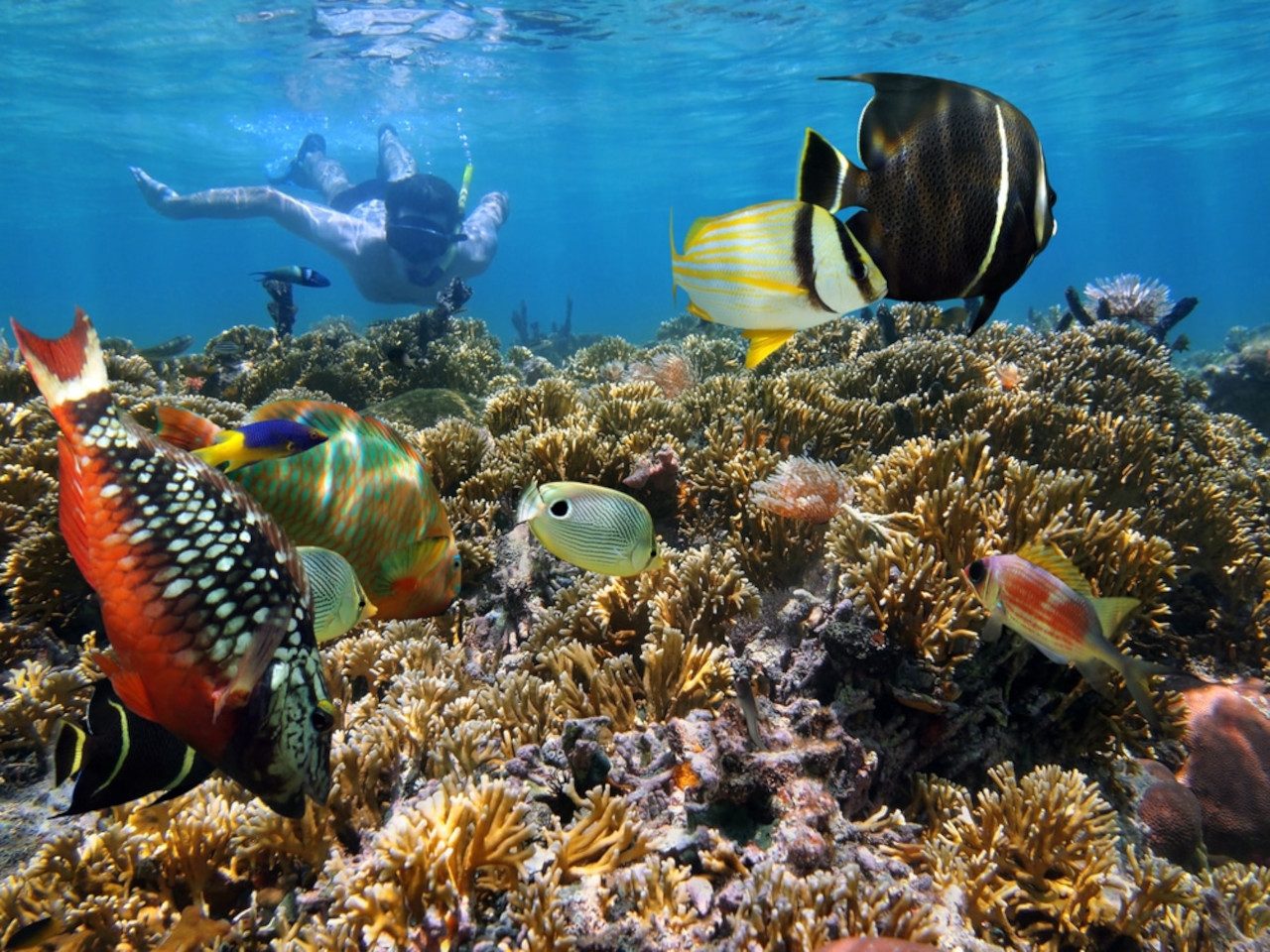
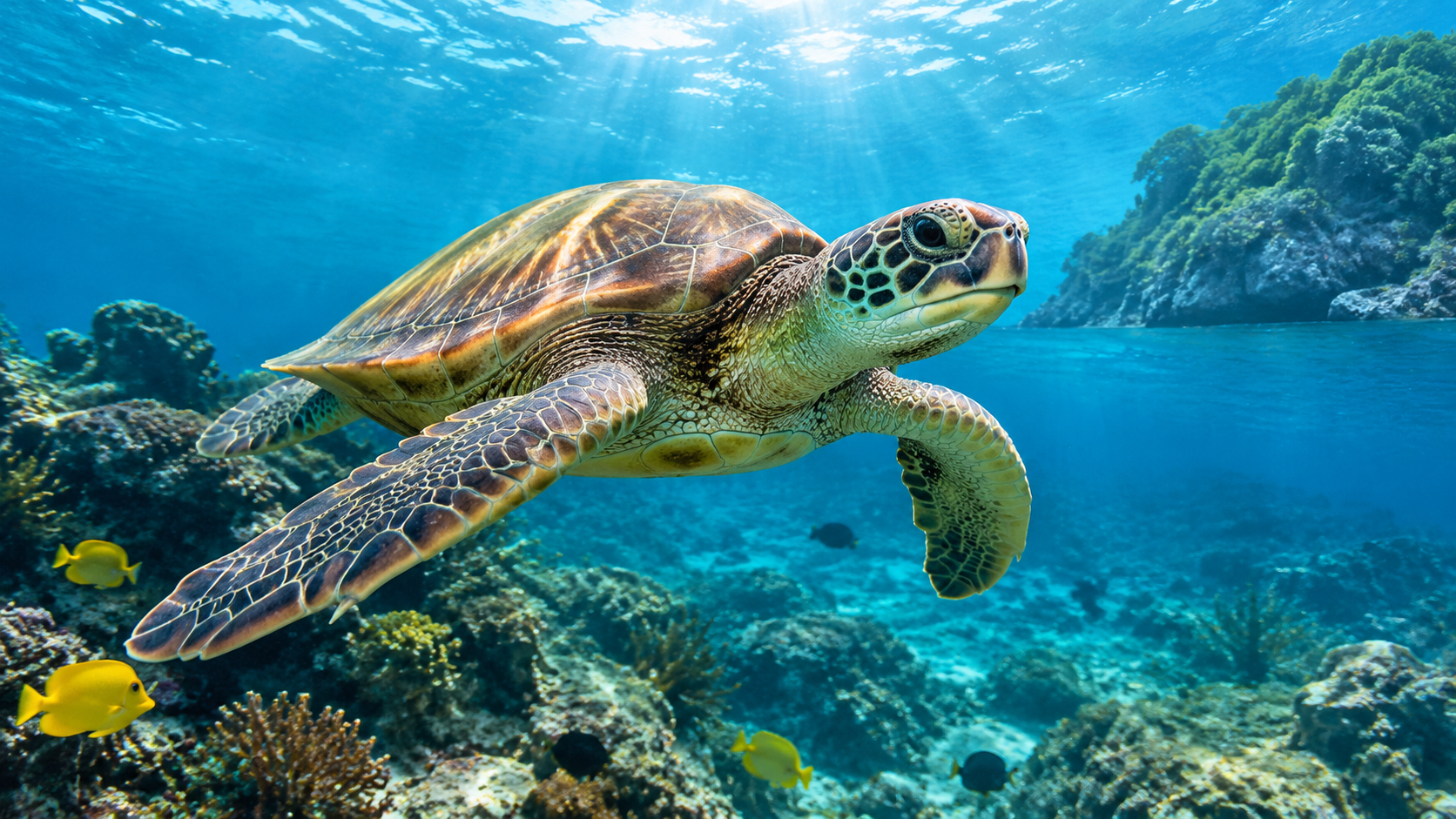
Brain corals the size of washing machines anchor the shallows. Sergeant majors and blue tangs dart between branches. You follow the guide's pointed finger: a hawksbill turtle, half a meter long, scrapes algae from a coral head three meters below. It surfaces beside you, exhales, then dives again. You drift with the mild current, finning only to correct course. The reef drops away to sand; garden eels retract as your shadow crosses. A school of horse-eye jacks—thirty or more—spirals past, their silver flanks catching the sun.
Back on the boat, you trade fins for sandals and motor to Punta Cahuita, where the reef wraps around the headland. The second immersion brings you over a deeper section: eight meters, visibility stretching to the limit of the light. A nurse shark rests under a ledge, motionless. Your guide taps his tank; you ascend slowly, safety stop at five meters, then surface to the sight of howler monkeys in the beachfront almonds.
All the details about your upcoming adventure in one place
Costa Rica's dual coastlines offer world-class snorkeling costa rica experiences across protected marine reserves and coral formations. Pacific sites near Manuel Antonio and Guanacaste showcase manta rays, sea turtles, and tropical reef fish, while Caribbean waters at Cahuita harbor vibrant coral gardens and nurse sharks. Snorkeling costa rica tours typically include equipment, guide instruction, and access to conservation areas where visibility reaches 15-25 meters during dry season months.
Costa Rica's 1,290 kilometers of coastline shelter more than 6,500 marine species, split between the warm Caribbean shallows and the nutrient-rich Pacific upwellings.
The Caribbean side—anchored by Cahuita National Park and the Gandoca-Manzanillo Wildlife Refuge—hosts staghorn and brain corals that have colonized volcanic rock platforms within sight of the shore. The Pacific coast, by contrast, descends steeply: sites like Caño Island Biological Reserve and the Marino Ballena National Park drop to 30 meters within a few hundred strokes, drawing pelagic visitors—white-tip reef sharks, manta rays, and seasonal humpback whales—into visibility range of snorkelers.
Snorkeling Costa Rica tours concentrate along four corridors. The Caribbean coast from Cahuita to Manzanillo offers year-round clarity in shallow lagoons, where green and hawksbill turtles forage on seagrass beds visible from the surface. Snorkeling Costa Rica Guanacaste—the northern Pacific province—encompasses the Papagayo Peninsula and Playa Ocotal, where rocky points create current eddies that aggregate angelfish, parrotfish, and occasional eagle rays. Farther south, snorkeling Costa Rica Manuel Antonio and Uvita pair forest-backed beaches with offshore islets; Isla Damas and the Ballena Marine Park whale-tail sandbar attract schools of jacks and snappers. The crown site remains Caño Island, 20 kilometers offshore from Drake Bay: its volcanic pinnacles and deep walls host the densest aggregations of tropical fish in Central American waters.
Protection began in 1970 with Cahuita's designation as a national park, extended in 1982 to Caño Island. Today, 28 percent of Costa Rica's territorial waters fall under some form of marine management, enforced by SINAC rangers who monitor daily visitor caps at the most sensitive reefs. Snorkeling Costa Rica Pacific coast sites require boat access; Caribbean locations allow shore entries. Water temperature holds steady at 27–29°C year-round, eliminating the need for full wetsuits. Visibility peaks December through April on the Pacific side when offshore winds drop; the Caribbean maintains 12–20 meters of clarity outside the September–November storm window. The country's no-take marine reserves—Caño Island, Gandoca-Manzanillo, and the Catalina Islands—prohibit fishing, anchoring, and coral contact, preserving reef structures that predate human settlement of the isthmus.
Costa Rica's 1,290 kilometers of coastline shelter more than 6,500 marine species, split between warm Caribbean shallows and nutrient-rich Pacific upwellings.
Wear comfortable swimwear and UV-protective clothing for snorkeling Costa Rica. Secure footwear is recommended for walking the trails before entering the water.
Keep belongings minimal when joining snorkeling Costa Rica tours. There are no guarded storage areas available at the beach entry.
Underwater cameras are permitted for personal use while enjoying snorkeling Costa Rica. Do not touch or disturb marine life for the perfect shot.
Families participating in a snorkeling Costa Rica tour should supervise children closely at all times. The shallow areas provide safe zones for young swimmers.
The path to the Puerto Vargas sector is accessible for wheelchairs and strollers. Access to the water requires assistance due to soft sand.
Bringing water and snacks for your snorkeling Costa Rica visit is allowed. All trash must be carried out to maintain park cleanliness.
Opening Hours
08:00–16:00
Address
Puerto Vargas, Cahuita National Park, Limón Province, Costa Rica
Accessibility
Accessible trails available at Puerto Vargas sector
Best arrival window
08:00–11:00
Storage
No secure locker facilities provided
Navigation
Follow marked signage from park entrance
Car · 2h from Limón · Free parking
Drive to Puerto Vargas sector via Route 36. Parking is available near the entrance.
Public transport · 2.5h · Low cost
Take the bus from Limón to Cahuita. Walk or taxi to the park entrance.
Entry fees are non-refundable once processed. The 5 USD entrance fee is mandatory for all foreign adults at the Puerto Vargas sector.
Recommended time
3-4 hours
Planning your snorkeling costa rica experience requires balancing the tide with the 08:00–11:00 arrival window to ensure optimal underwater visibility. While visitors often book snorkeling costa rica tours to navigate the coral reefs, independent travelers should allocate extra time for the trek to the Puerto Vargas sector. Utilizing pre-purchased snorkeling costa rica tickets helps streamline your entry, allowing you to bypass potential queues during the peak mid-day period.
Crowd levels through the day
Weather · crowds · average price — dots go green to amber to red as each metric rises.
March and April offer drier conditions and warmer water for coral exploration. Visibility is typically high during these months.
September and October bring calmer seas on the Caribbean coast. This remains a favorable period for snorkeling Costa Rica despite occasional rain.
Snorkeling Costa Rica is best enjoyed during low tide for maximum clarity. High tide often stirs up sediment and reduces visibility.
Avoid harmful chemicals that damage the coral reefs. Reef-safe options protect the environment for future travelers.
Puerto Vargas, Cahuita National Park
Main visitor check-in point
Get directions
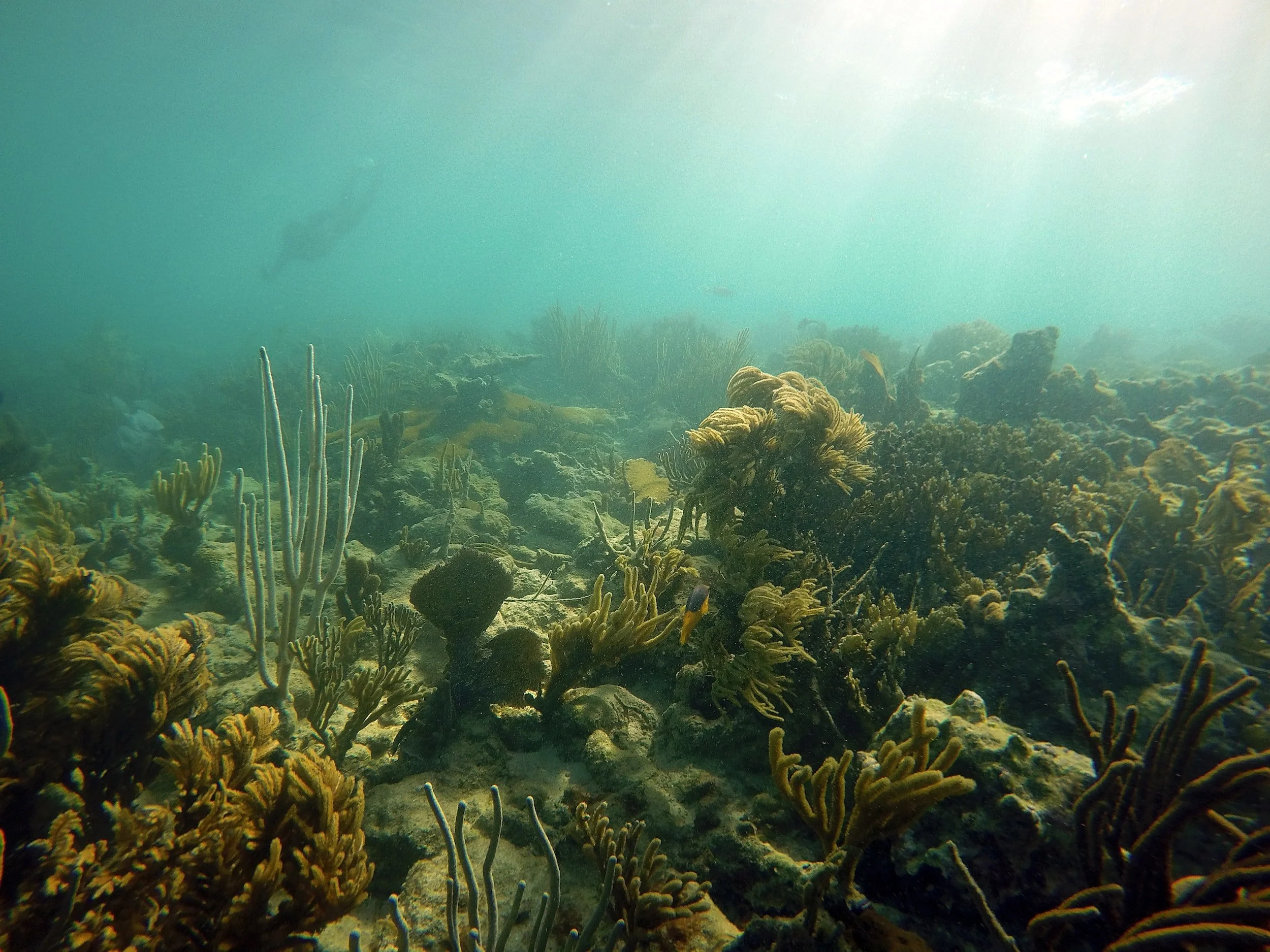
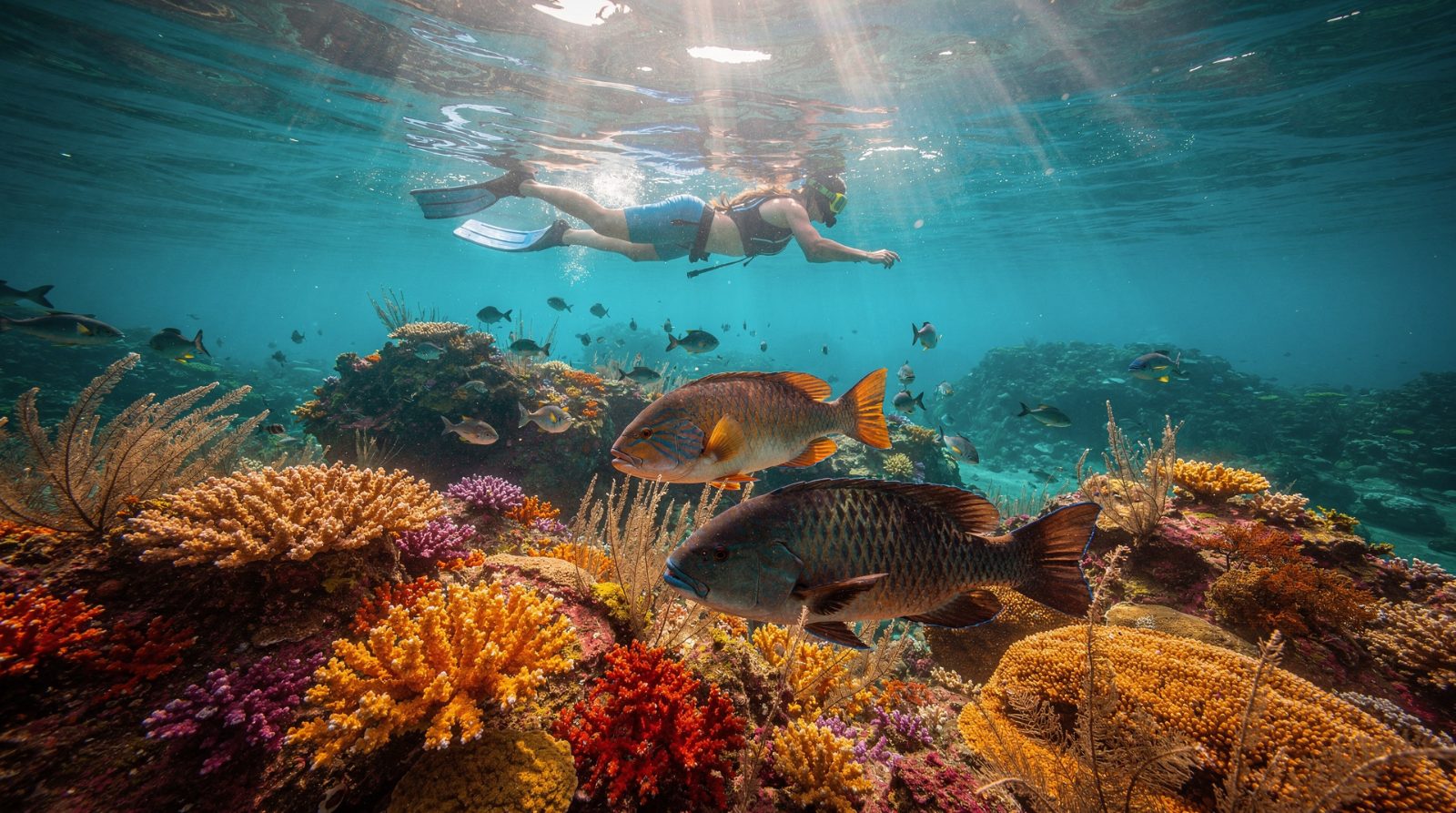
Position yourself where the shallow coral structures meet the deeper ocean drop-off to capture the contrast in water depth and marine life visibility while engaging in snorkeling costa rica.
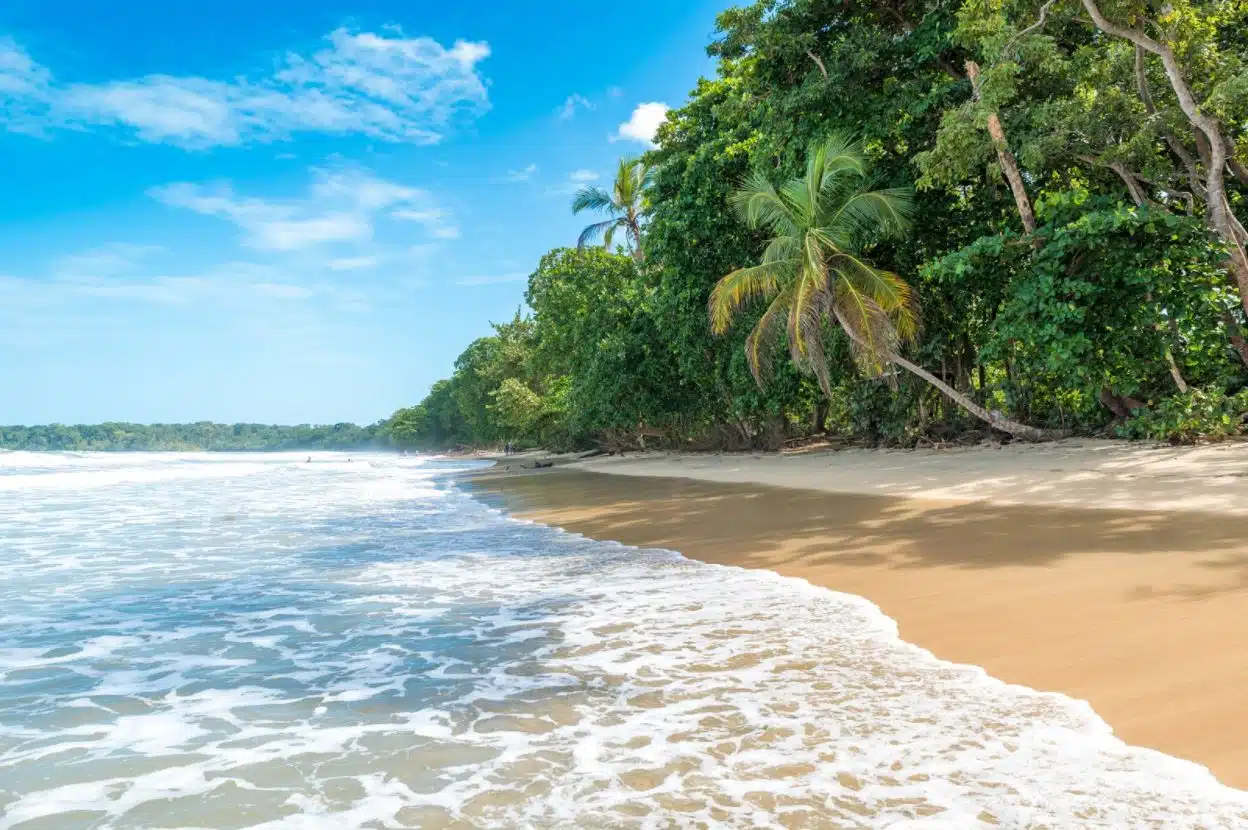
Stand at the transition point between the lush coastal vegetation and the shore to frame the pristine beach before heading out on snorkeling costa rica tours.
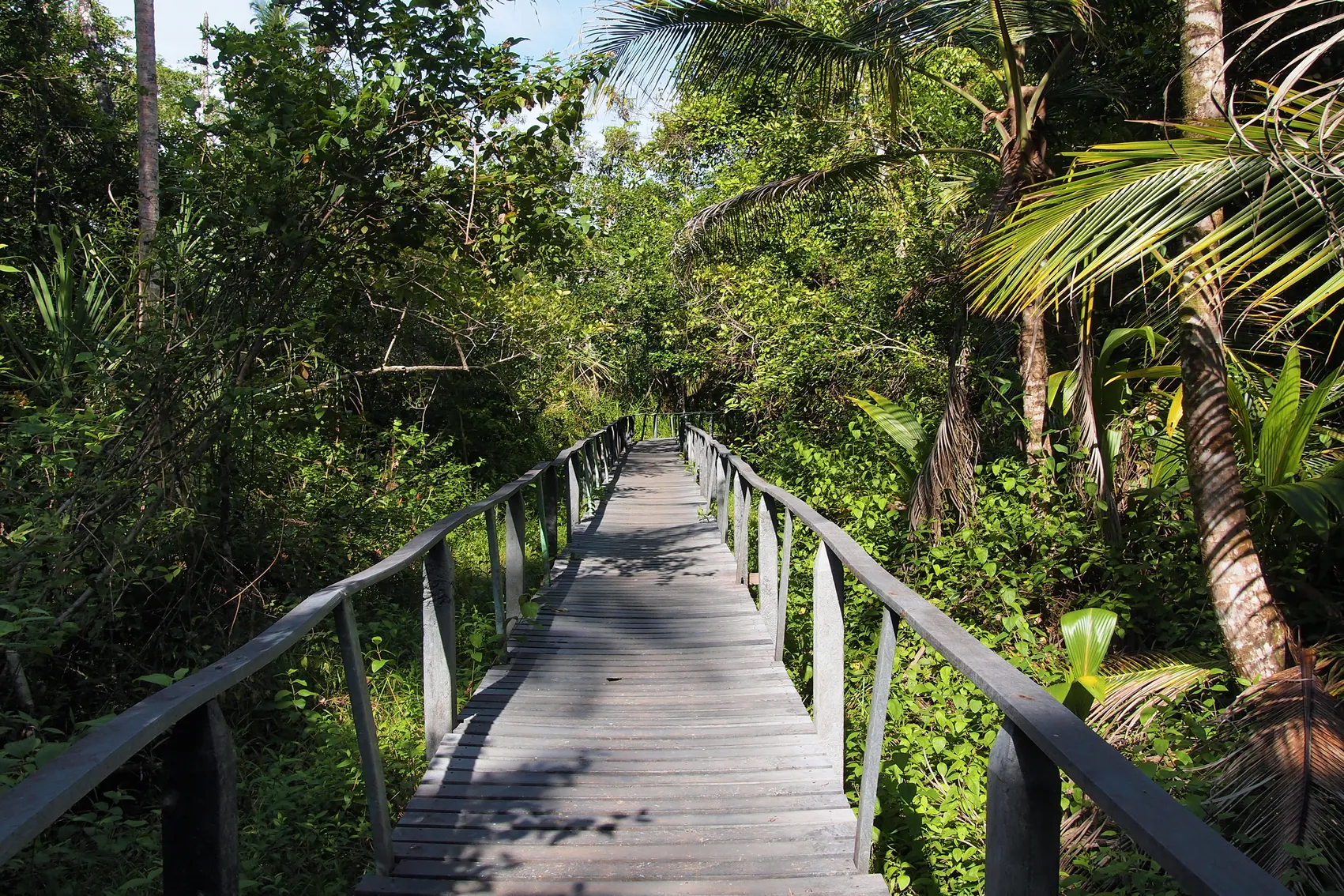
Capture the dense, hanging canopy and palm silhouettes along the path toward the water, providing a green contrast to the blue Caribbean sea for those seeking a snorkeling costa rica tour.
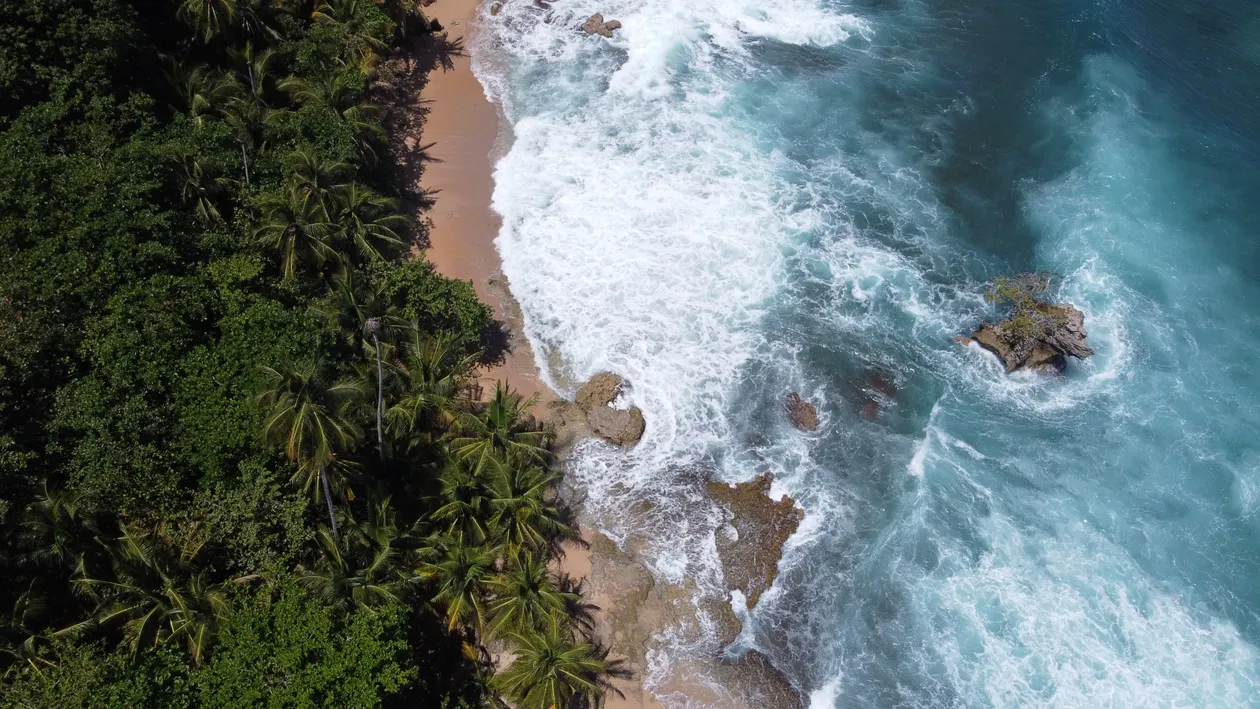
Locate the elevated vantage points along the shoreline trail for a panoramic perspective of the submerged reef system before you secure your snorkeling costa rica tickets.
While there are no dining facilities within the protected reserve, the nearby village of Cahuita offers diverse options for those planning snorkeling costa rica. You will find several casual eateries along the main road that are ideal for refueling after your marine life observations.
This family-run spot serves authentic Caribbean-style rice and beans. It is a reliable stop if you book snorkeling costa rica tours and need a filling post-dive lunch.
Renowned for authentic Cahuita cooking, this restaurant provides a relaxed atmosphere. Visitors often stop here after utilizing their snorkeling costa rica tickets to enjoy fresh seafood.
Offering a varied menu near the national park entrance, this venue is perfect for a balanced meal. It serves as a great base for those finishing a snorkeling costa rica tour.
Real experiences from real travelers
We went snorkeling in Costa Rica near Playas del Coco and the visibility was exceptional. Saw three sea turtles, countless tropical fish, and even a small octopus hiding in the rocks. Water temperature was comfortable without a wetsuit.
The guide took us to a protected reef zone where the coral was thriving. Spent nearly two hours in the water and never wanted to leave. Pacific side offers calmer conditions than I expected.
Booked a snorkeling costa rica tour to Islas Catalinas and the biodiversity was exceptional. Schools of jacks, rays gliding below, and water so clear you could see 20 meters down. Departed early morning to avoid crowds.
Tried both Caribbean and Pacific coast locations. Caribbean near Cahuita had more colorful fish but Pacific near Tamarindo had better overall visibility. Each side offers something different worth exploring.
Our snorkeling costa rica tickets included all equipment and a marine biologist guide who identified every species we encountered. Felt very safe with the small group size and thorough briefing.
The combination of warm water, healthy reefs, and professional operators made this my favorite snorkeling costa rica experience. Saw a nurse shark resting under a ledge and the guide kept a respectful distance.
Went out from Flamingo Beach and within ten minutes spotted a pod of dolphins. Later during the actual snorkel session we found a large school of parrotfish grazing on the reef. Water conditions were glassy calm.
The protected waters near the national park had the most fish density I have seen. Gear was well-maintained and the boat crew knew exactly where to anchor for the best underwater topography.
Visibility varies by season but we lucked out with 15-meter clarity. Saw a spotted eagle ray cruising past and multiple green sea turtles feeding on seagrass. Would return for the biodiversity alone.
Booking snorkeling costa rica tours through a certified operator made all the difference. They provided reef-safe sunscreen, quality masks that did not leak, and took us to sites tourists rarely access on their own.
Everything you need to know for your journey
The Puerto Vargas sector is open daily from 08:00–16:00. These hours apply throughout the entire week.
Yes, there is a fixed entrance fee for foreign adults at Puerto Vargas of 5 USD.
The best arrival window is 08:00–11:00 for optimal water clarity and lower crowds.
Tickets are typically managed at the entrance for snorkeling Costa Rica visitors.
Yes, you are encouraged to bring your own professional-grade equipment for the best experience.
The park features accessible trails at Puerto Vargas, though beach entry requires caution.
Children are welcome to participate in snorkeling Costa Rica activities under adult supervision.
All entrance fees are final and non-refundable once the transaction is completed.
There are no on-site food vendors, so bring your own provisions for your snorkeling Costa Rica visit.
A scenic beach area located within the park perimeter. It offers calm conditions for relaxing after your swim.
Various lodges located near the park entrance.
Join thousands of happy travelers who have discovered this incredible experience
Book Your Experience Now