English| EUR
Suggested for you
More currencies
Book Now
Open today · 08:00–16:00

Snorkeling Costa Rica Cano Island

Snorkeling Costa Rica Cano Island — Marine Reserve Day Tours

Dive Costa Rica's richest reefs, where manta rays glide past volcanic cliffs

50K+ travelers chose this
Free Cancellation
Right now: Moderate — autumn shoulder season Use reef-safe sunscreen to protect the marine ecosystem.
Free Cancellation
Free cancellation Instant confirmation Mobile voucher Verified partner Skip-the-line
15 USD
Conservation fee
Per person entry charge
08:00–16:00
Daily hours
Open seven days a week
08:00–12:00
Best arrival window
Optimal clarity and marine visibility
300 sq km
Reserve marine area
Protected biological reserve zone
Choose your ticket

Snorkeling Costa Rica Cano Island tickets at a glance

Compare fares, pick the fit — all bookings are mobile-voucher and eligible for free cancellation where shown.

Caño Island Snorkeling Adventure from Uvita 8 hr
Guided Experience

Caño Island Snorkeling Adventure from Uvita

4.7 (135)
€141
  • Expert local guide
  • Small group
  • Skip-the-line access
  • Free cancellation
Book this ticket
Caño Island Snorkeling Adventure with Lunch 6 hr
Guided Experience

Caño Island Snorkeling Adventure with Lunch

4.5 (91)
€88
  • Expert local guide
  • Small group
  • Skip-the-line access
  • Free cancellation
Book this ticket
Compare options

Compare Snorkeling Costa Rica Cano Island ticket options

Choosing between snorkeling costa rica cano island tour options depends primarily on whether you prefer a standardized group experience or a personalized excursion. Each snorkeling costa rica cano island tour includes the essential 15 USD conservation fee to access this pristine marine reserve.

Top pick
Group Snorkeling Tour Shared vessel with guide
Private Snorkeling Charter Exclusive boat and guide
Conservation Fee 15 USD
Access Method Private boat transfer
Max Group Size Custom request
Snorkeling Sessions Two 45-minute sessions
Island Time Included beach break
Best for Small groups or families

Verdict: For most travelers, the shared snorkeling costa rica cano island tickets provide the most efficient and cost-effective way to experience the reef.

Is Snorkeling Costa Rica Caño Island Worth the Investment?

Worth it for serious snorkelers seeking pristine reefs

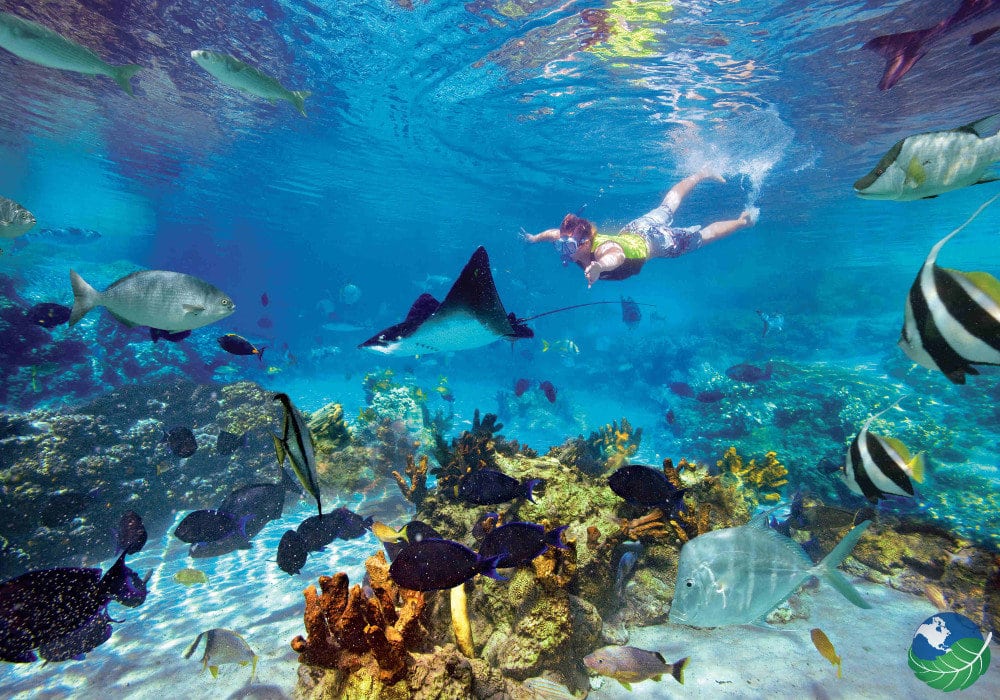
Caño Island Biological Reserve shelters one of Costa Rica's healthiest coral ecosystems, rivaling the biodiversity of distant Pacific atolls without the logistical complexity. The 15 USD conservation fee grants access to waters where sea turtles, reef sharks, manta rays, and schools of tropical fish navigate volcanic rock formations and living coral gardens largely untouched by coastal development. Most snorkeling costa rica cano island tours bundle boat transport, equipment, and lunch into packages starting around 85–120 USD from nearby departure points like Uvita or Drake Bay. That total investment pays off if you prioritize marine richness over convenience—the island sits 20 kilometers offshore, meaning 60–90 minutes each way on open water. Visibility often exceeds 15 meters during the morning window, and the reserve's strict visitor limits keep crowding minimal compared to mainland snorkel sites. For travelers already staying on the Osa Peninsula or southern Pacific coast, the journey becomes a logical extension; those based in Guanacaste or the Central Valley face a multi-hour drive plus the boat crossing, shifting the value equation toward more accessible alternatives.

What makes it worth it

  • Pristine coral reefs rare elsewhere in Costa Rica
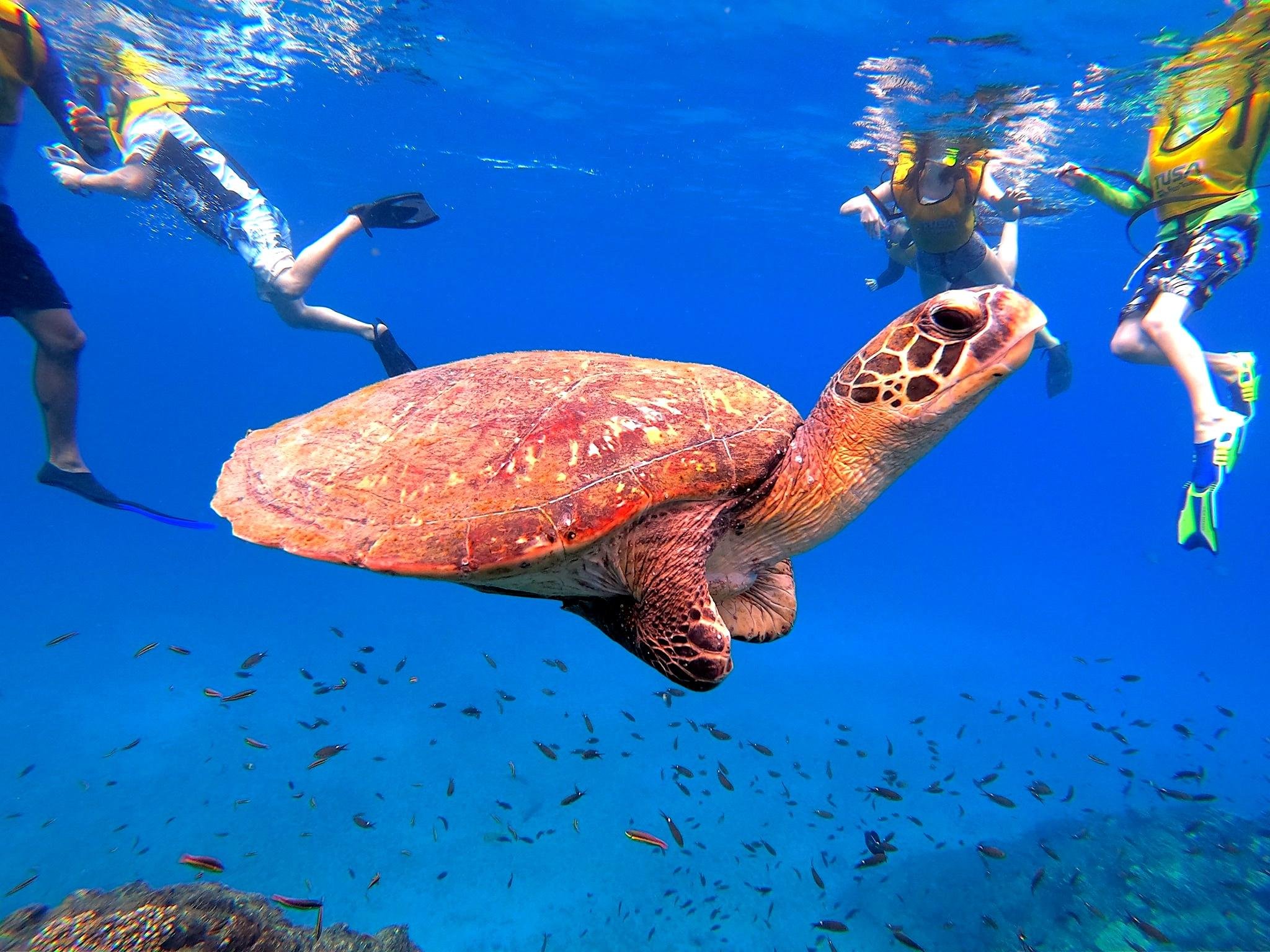
  • High probability of sea turtle and ray encounters
  • Strict visitor caps maintain low crowding
  • Morning departure ensures optimal water clarity
  • Multi-species biodiversity in single snorkel session

Keep in mind

  • 90-minute boat ride each direction in open ocean
  • Tours cost 6–8× the reserve entrance alone
  • Limited departure points favor Osa Peninsula visitors
  • Weather-dependent cancellations during rainy months

Bottom line: The combination of ecological integrity and marine abundance justifies the distance and cost for snorkelers who value reef health over proximity.

Head to head

Snorkeling Costa Rica Caño Island vs. Manuel Antonio Snorkeling

They complement each other; most visitors who do both find the remote biological reserve provides a more authentic encounter with large pelagic species than the accessible coastal reef at Manuel Antonio. While securing snorkeling costa rica cano island tickets offers access to a protected marine sanctuary, Manuel Antonio remains the more convenient option for families.

Top pick
Caño Island
Manuel Antonio
Water Clarity Moderate (varies by swell)
Marine Life Diversity Moderate (tropical reef fish)
Travel Effort Low (coastal park access)
Crowd Levels High (very popular)
Depth of Reef 5–15 feet
Primary Experience Accessible shore-based snorkeling costa rica cano island tour

Verdict: Choose Caño Island for superior underwater visibility and biodiversity, or opt for Manuel Antonio if you prefer easy logistics and shorter travel times for your snorkeling costa rica cano island journey.

Featured Experiences

Popular Snorkeling Costa Rica Cano Island tours & activities

Hand-picked experiences loved by thousands of travelers

Recommended Experience

Powered by GetYourGuide

Another traveler favorite

Powered by GetYourGuide
Tortuga Island Day Trip with Snorkeling & Lunch 1 day Free Cancellation

Tortuga Island Day Trip with Snorkeling & Lunch

Cruise the Gulf of Nicoya to a pristine island paradise with dolphin sightings, snorkeling, and a beachside feast

4.5 (1123)
FromFrom $100.05
See details
Playa Flamingo Catamaran Sailing & Snorkeling Adventure 4 hours Free Cancellation

Playa Flamingo Catamaran Sailing & Snorkeling Adventure

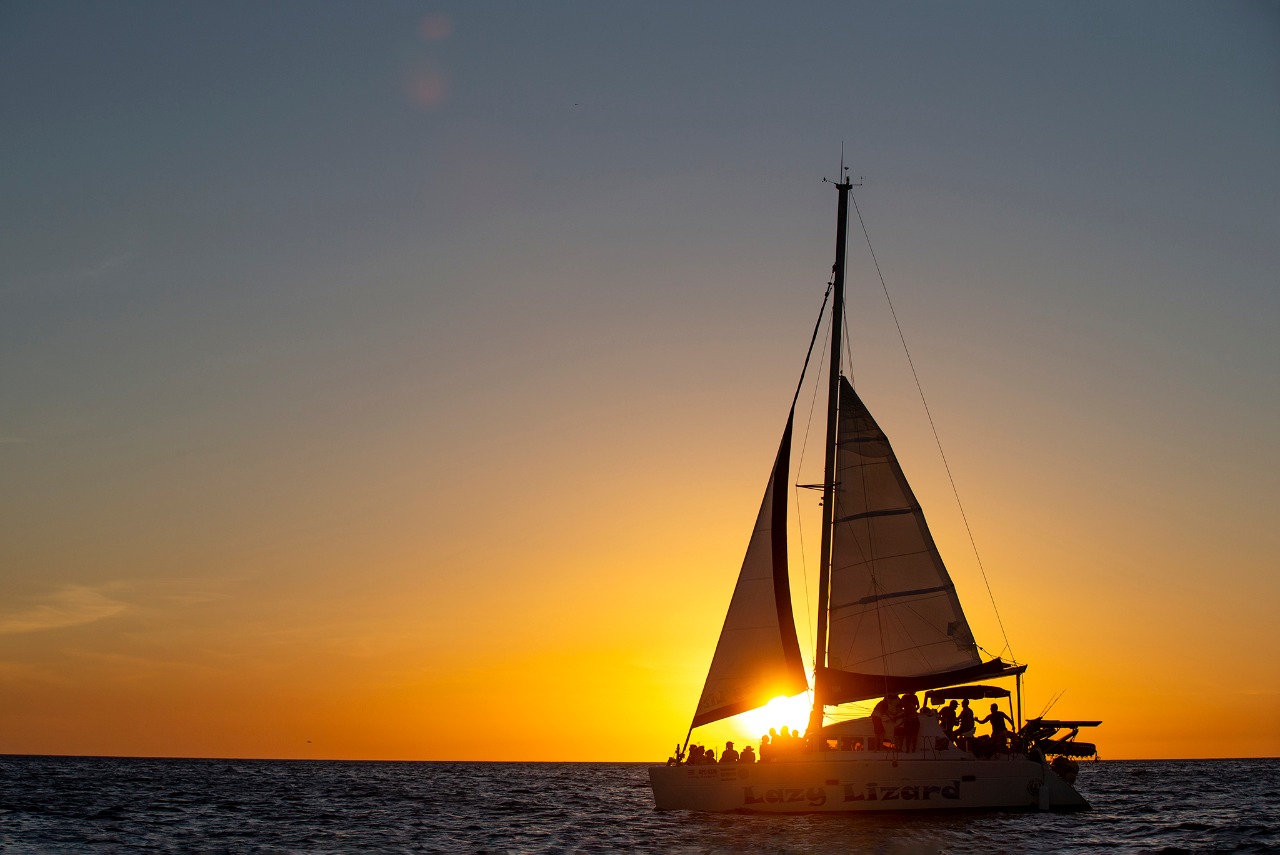
Half-day Pacific coast cruise with snorkeling, water sports, beachside lunch and sunset views

4.8 (174)
FromFrom €83.77
See details
Isla Tortuga Snorkeling Adventure from Paquera 4 hours Free Cancellation

Isla Tortuga Snorkeling Adventure from Paquera

Discover volcanic reefs teeming with tropical fish, relax on a pristine white-sand beach, and cruise the stunning Paquera coastline.

4.6 (66)
FromFrom €74.95
See details
Manuel Antonio Coastal Kayak & Snorkel Adventure 3 hours Free Cancellation

Manuel Antonio Coastal Kayak & Snorkel Adventure

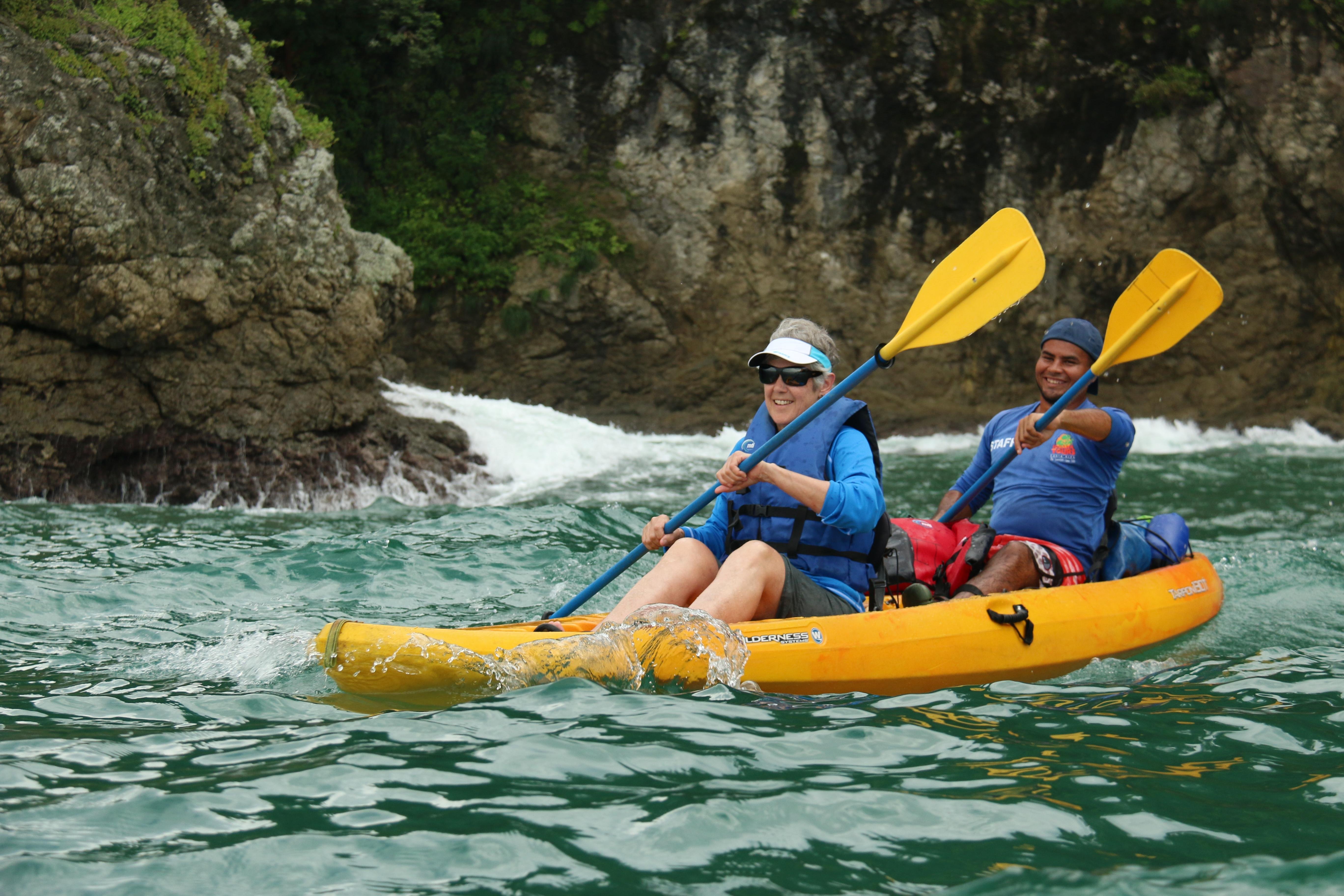
Paddle the Pacific coast to hidden Biezans Beach, snorkel volcanic reefs, and spot nesting seabirds

FromFrom €51.58
See details
Caño Island Snorkeling Adventure 8 hours Free Cancellation

Caño Island Snorkeling Adventure

Explore a pristine marine reserve with dolphins, rays, and turtles in crystal-clear Pacific waters

5 (1)
FromFrom €265
See details
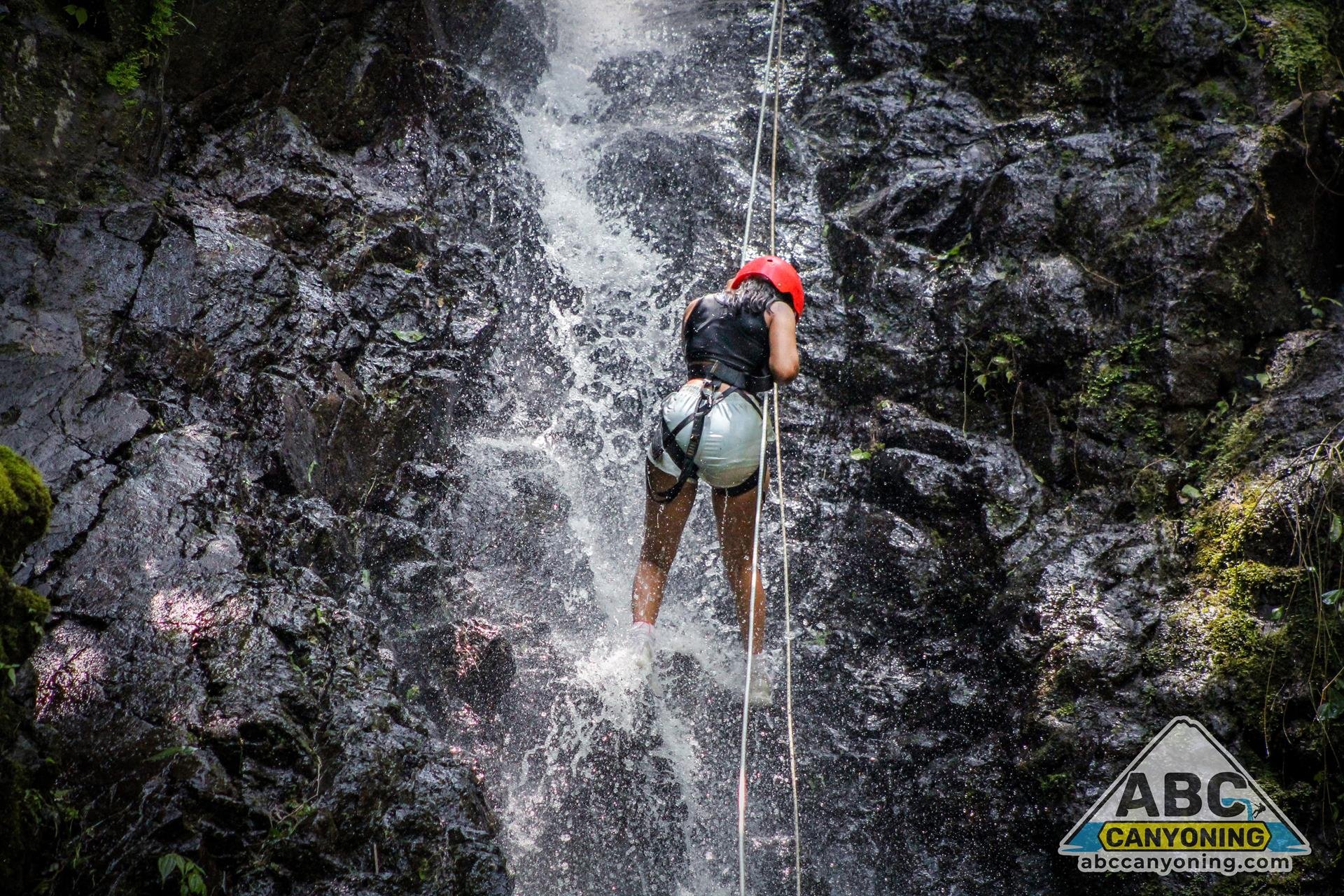
Arenal Waterfall Canyoning & Rappelling Adventure 4.5 hours Free Cancellation

Arenal Waterfall Canyoning & Rappelling Adventure

Descend five stunning waterfalls up to 230 feet high through lush rainforest near La Fortuna

4.9 (360)
FromFrom €78.48
See details
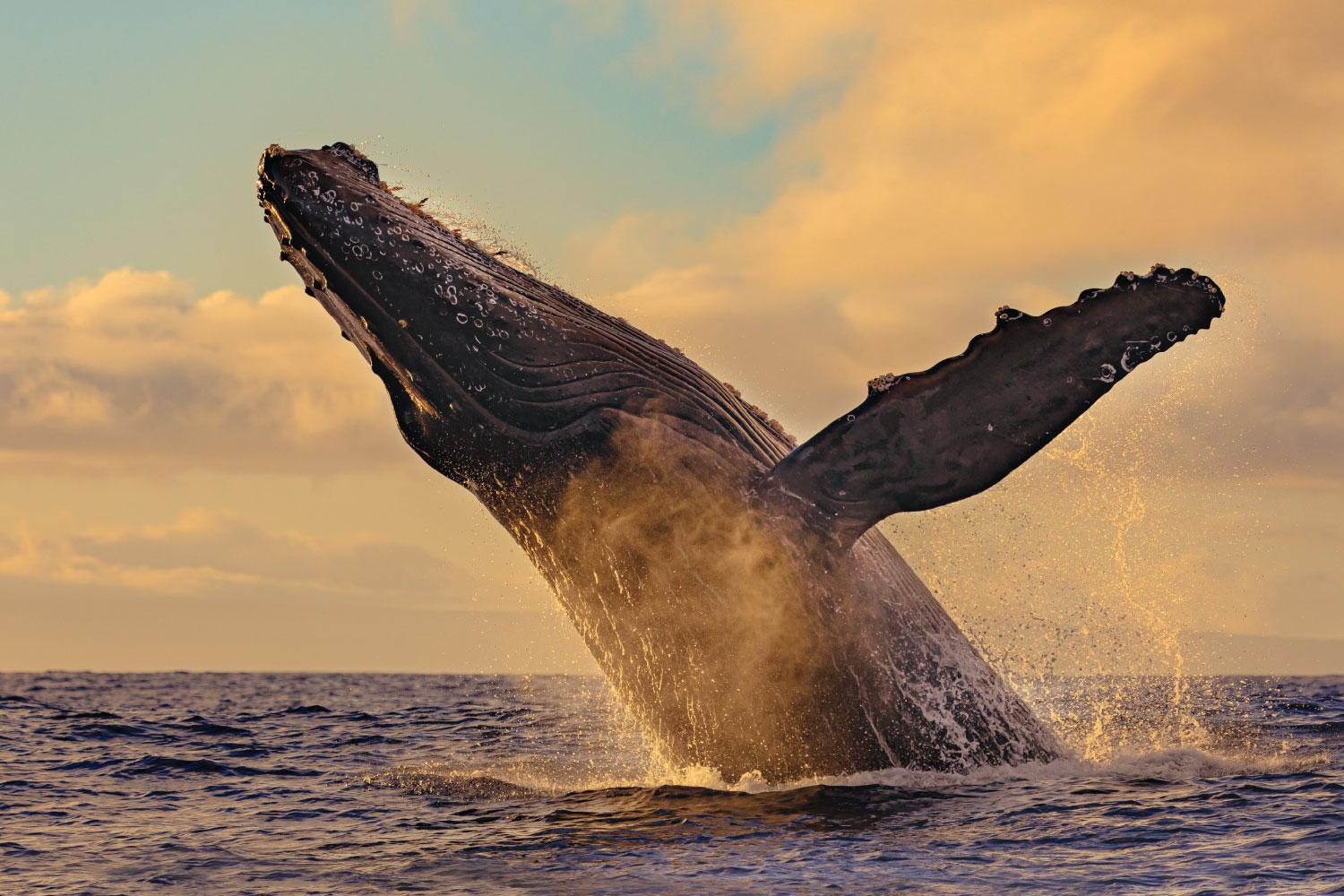
Whale & Dolphin Watching Adventure in Uvita 3 hours Free Cancellation

Whale & Dolphin Watching Adventure in Uvita

Witness humpback whales and dolphins in their natural habitat during Costa Rica's longest whale season

4.2 (29)
FromFrom €79.99
See details
What you'll see

What you'll see at Snorkeling Costa Rica Cano Island

Coral Platforms

Coral Platforms

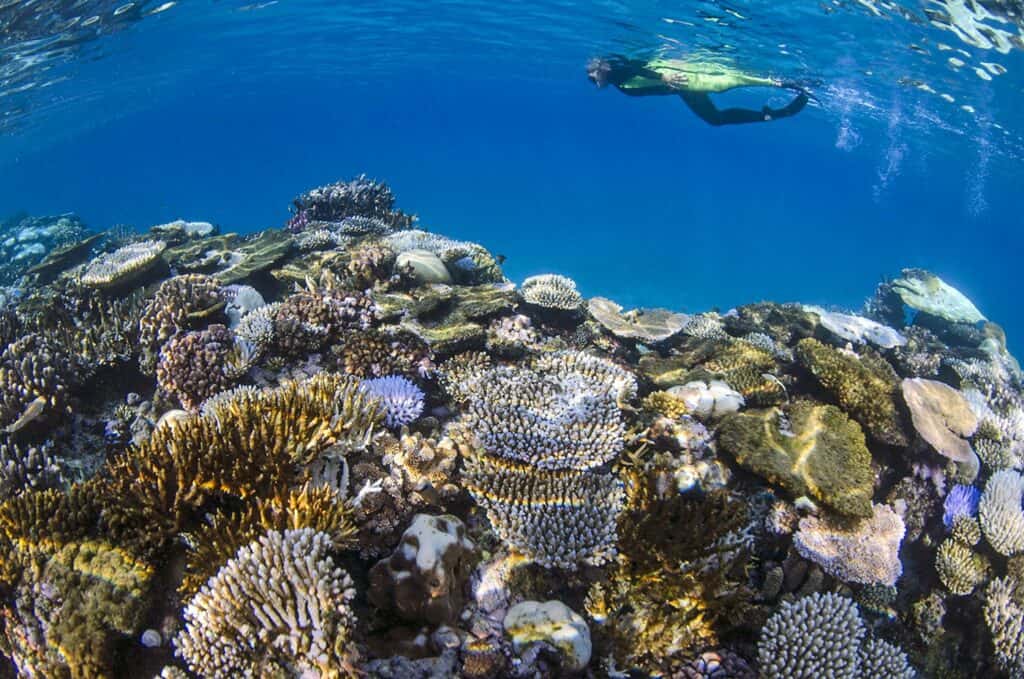
The reserve features five extensive coral platforms ranging from 0.8 to 4.2 hectares in size.

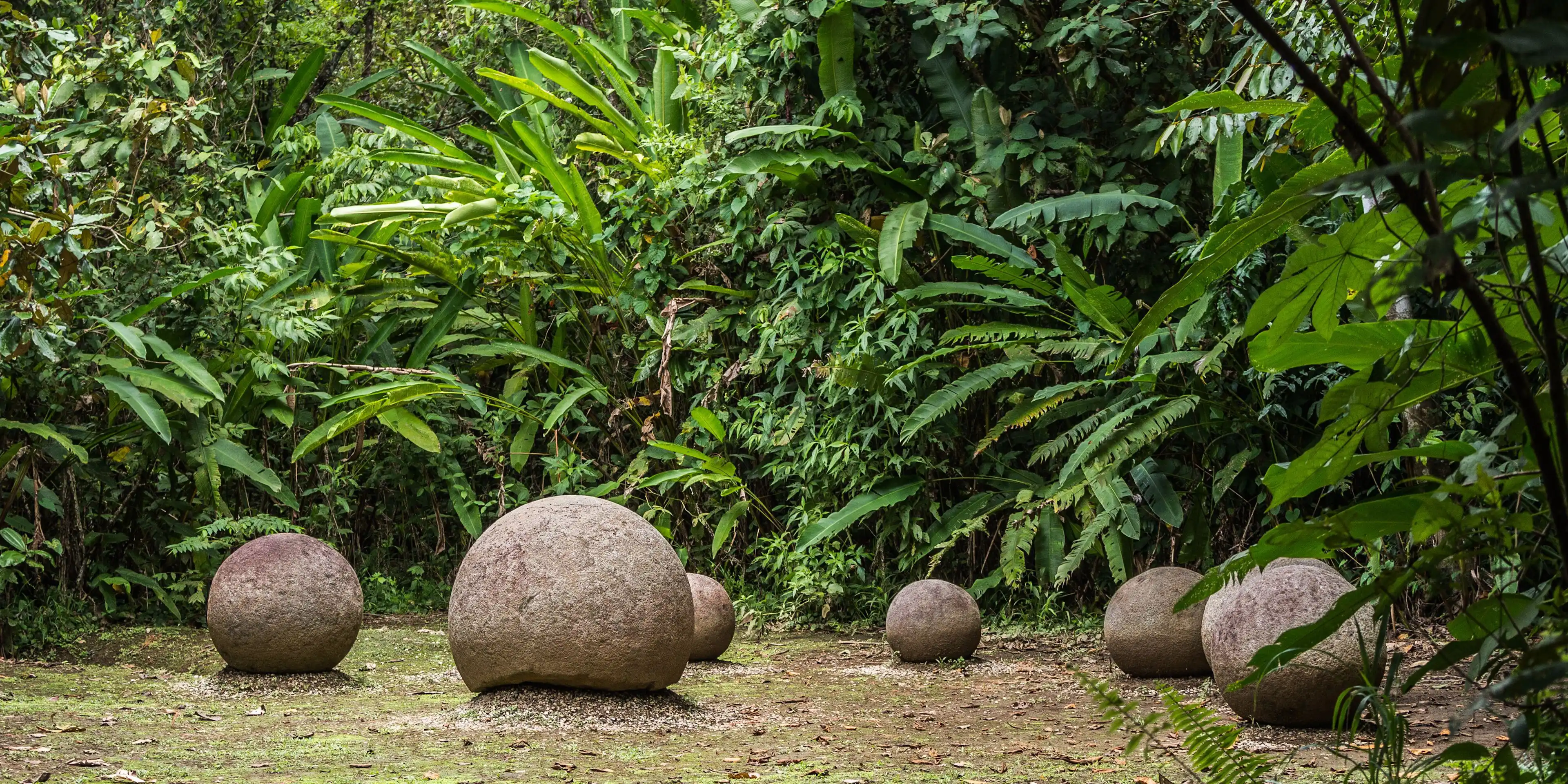
Stone Spheres

Stone Spheres

These pre-Columbian artifacts are located in the forest interior, left by ancient civilizations.

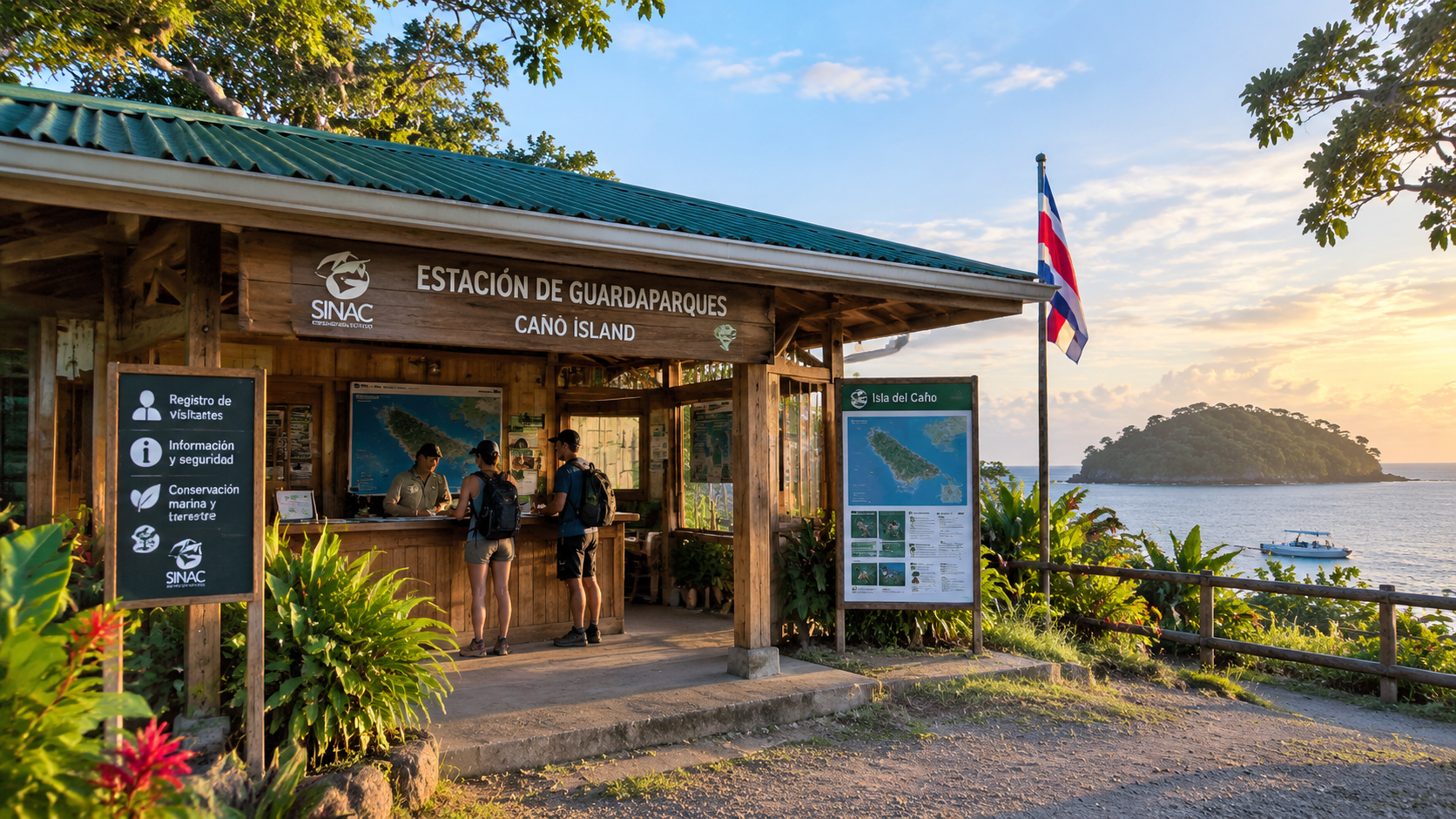
Ranger Station

Ranger Station

The central hub for registration and safety information managed by SINAC.

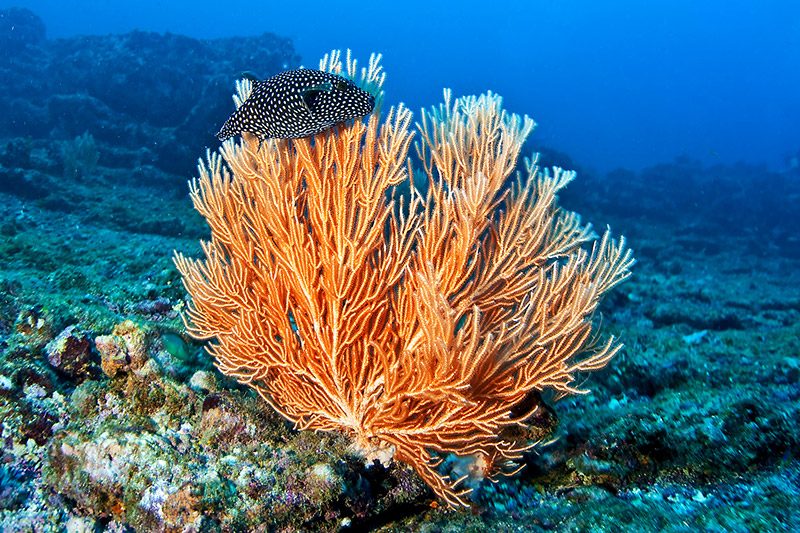
Pacific Reefs

Pacific Reefs

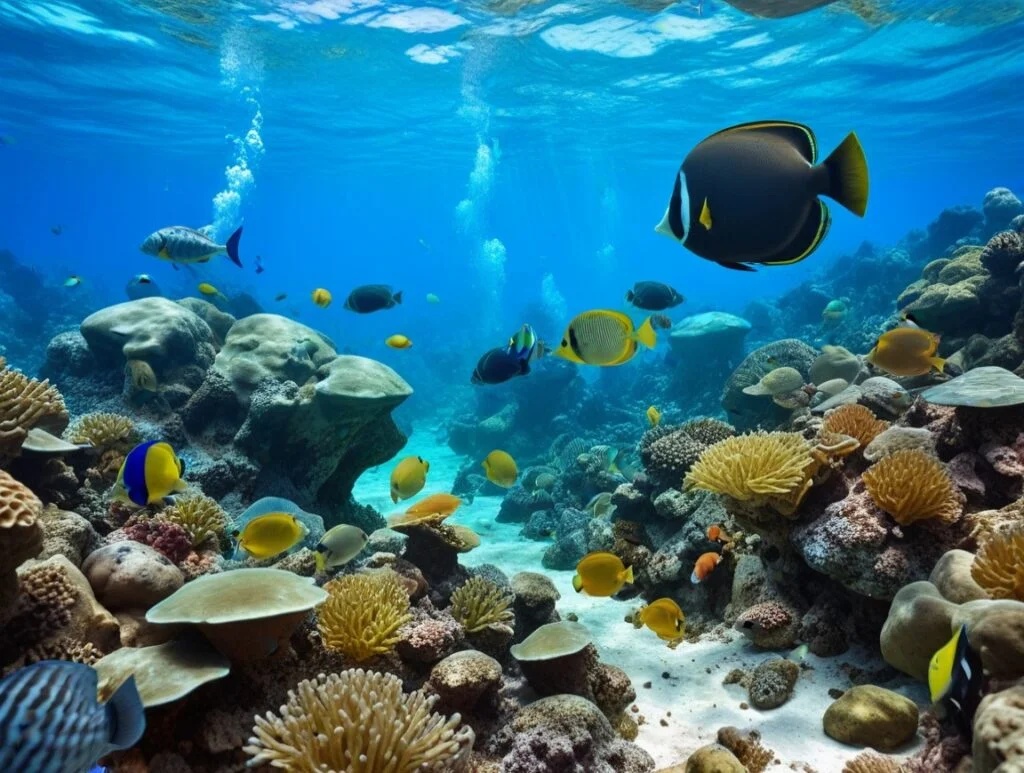
Some of the most intact coral systems on the Pacific coast of Central America.

Marine Breeding Sites

Marine Breeding Sites

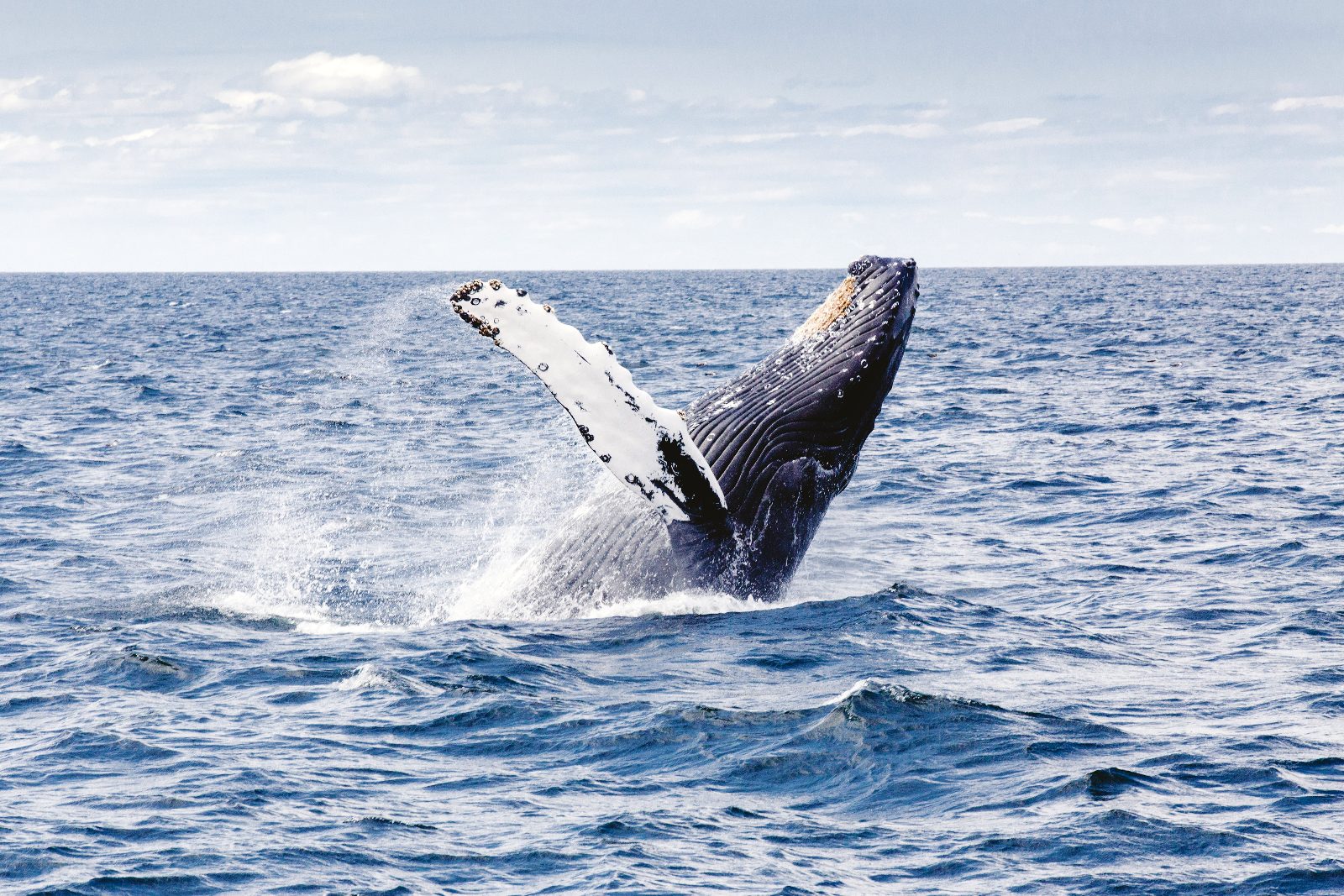
Critical breeding grounds for humpback whales from July to October.

The experience

What visiting Snorkeling Costa Rica Cano Island is really like

You board at Uvita's Playa Hermosa before dawn, motoring southwest past Ballena Marine Park as the sun clears the Talamanca range behind you. The 90-minute crossing skirts Ventana sea caves before the volcanic profile of Caño Island rises ahead, its cliffs streaked white with seabird guano.

Read more Show less

Your guide anchors off Paraíso reef at 09:15, where the bottom slopes from three to 18 meters in steps of coral-encrusted lava.

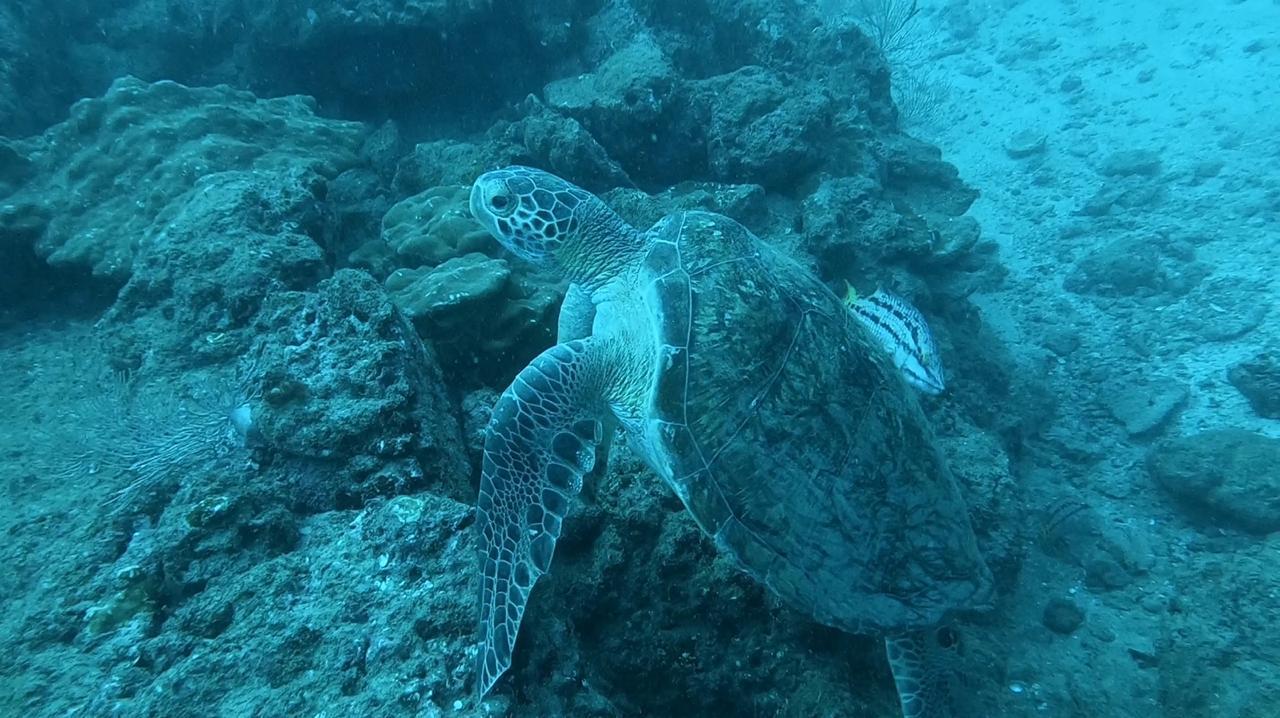
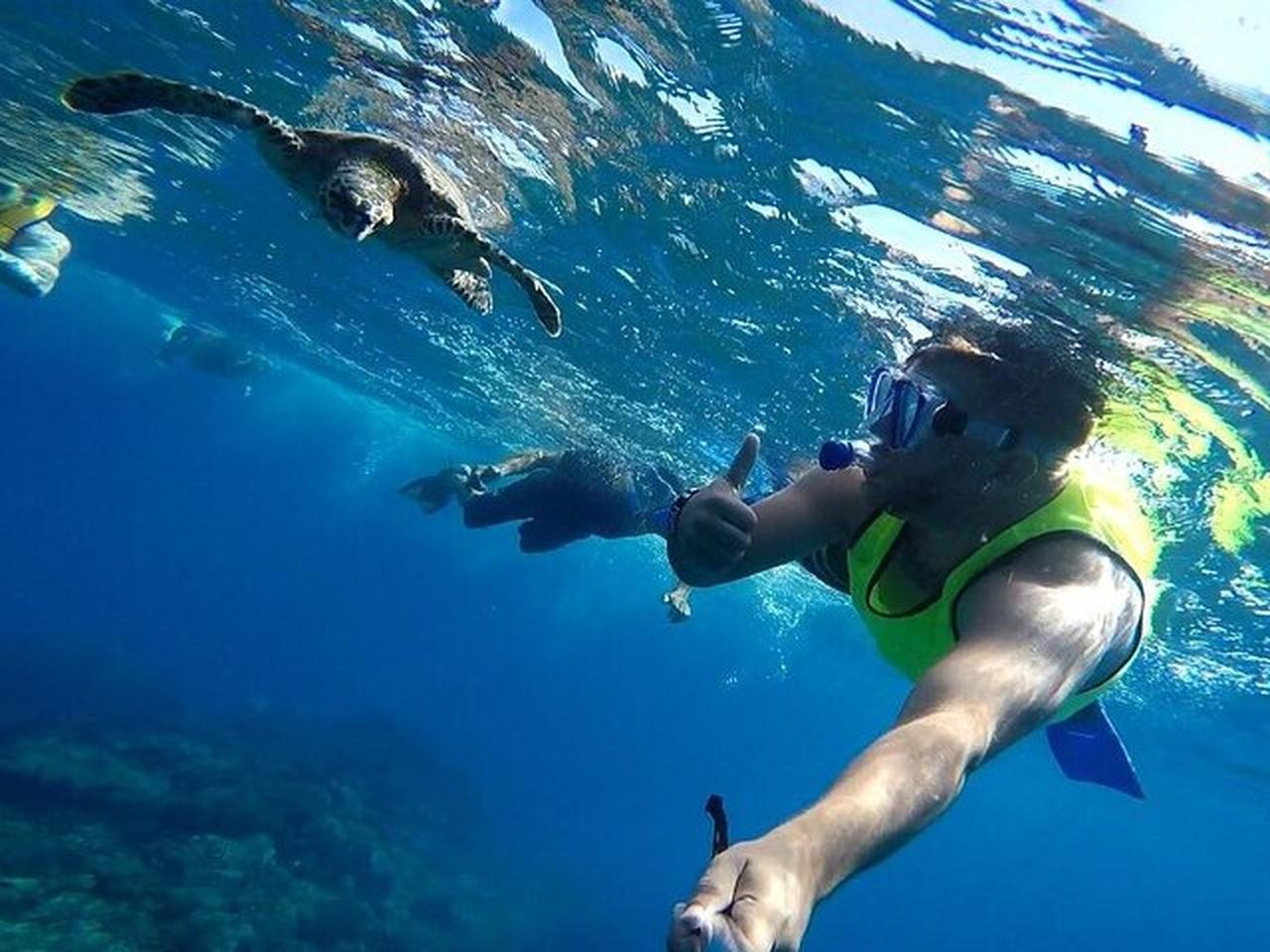
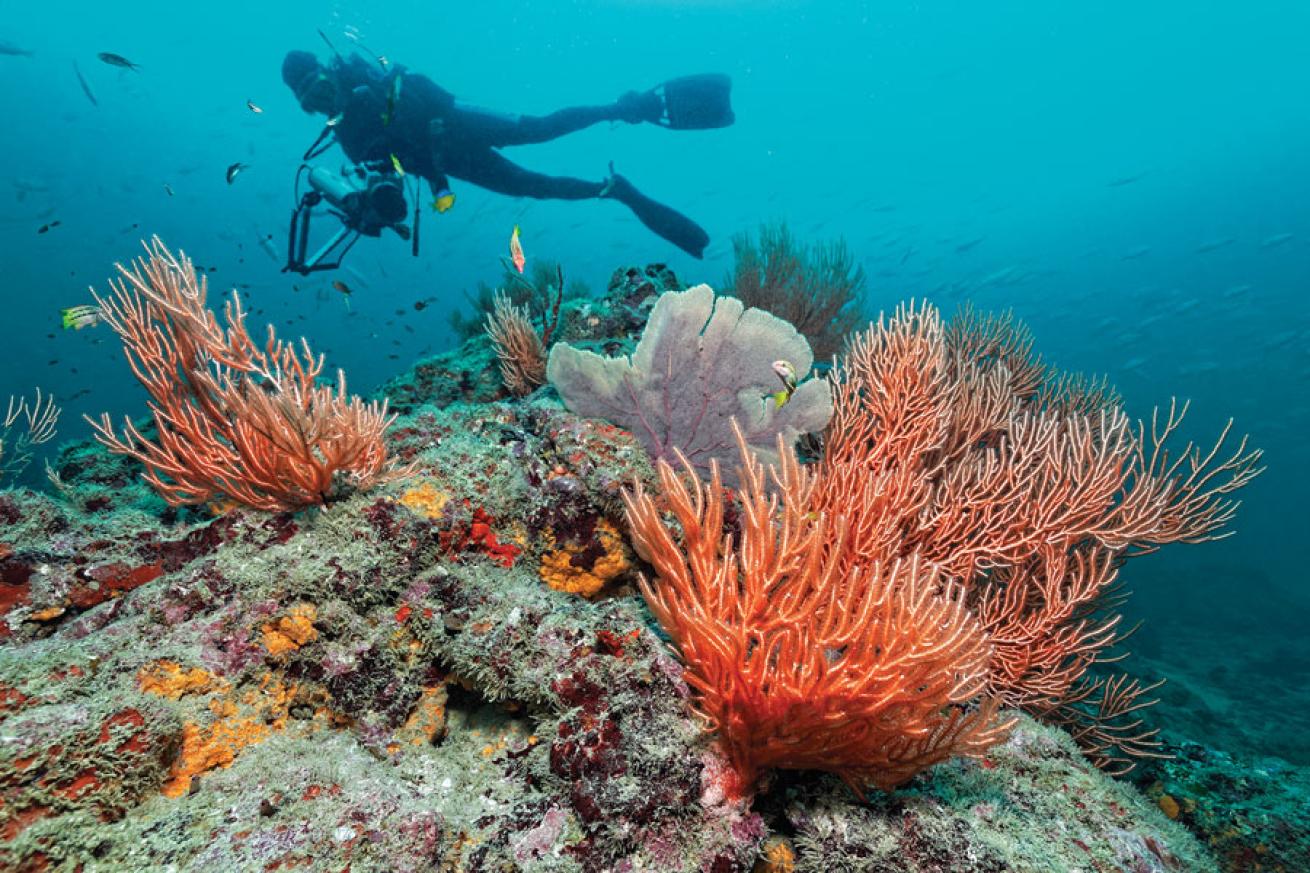
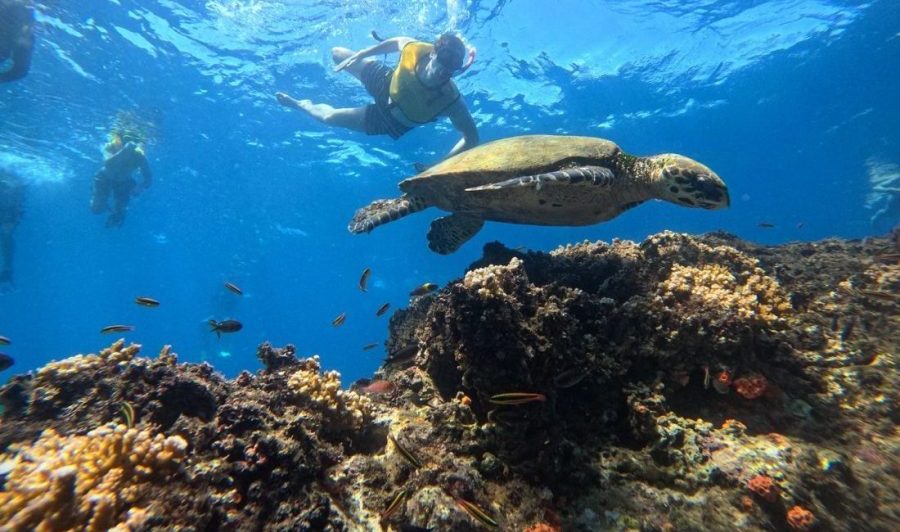
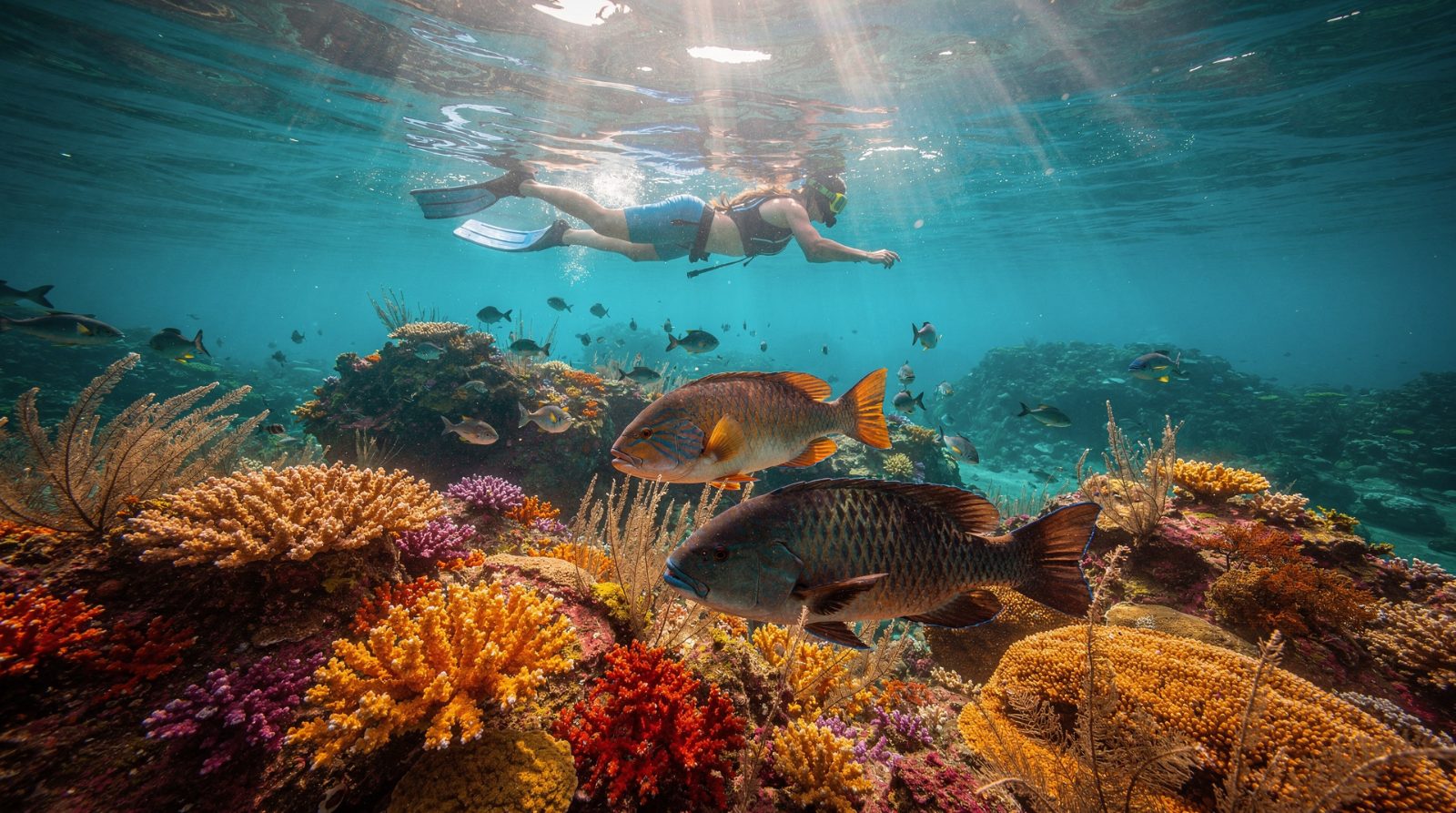
You slip into water that holds steady at 27 degrees Celsius, finning over gardens of elkhorn and brain coral. A school of 40 Pacific creolefish parts as you descend, their yellow flanks catching oblique light. Your guide points to a hawksbill turtle browsing sponges at 12 meters, then motions toward open water where a spotted eagle ray banks past, its two-meter wingspan casting a shadow across the sand channel below. The second site, Cueva del Tiburón, tunnels eight meters into the island's western face. You hover at the entrance as white-tip reef sharks rest motionless on the sandy floor inside, their dorsal fins just visible in the cave's dim interior.

Lunch is served aboard—grilled mahi-mahi, black beans, fried plantain—while the boat repositions to Playa San Josecito for a brief land stop before the return crossing.

Snorkeling Costa Rica Cano Island
Everything You Need to Know

Your complete Snorkeling Costa Rica Cano Island guide

All the details about your upcoming adventure in one place

The Caño Island Biological Reserve lies 20 kilometers off the Osa Peninsula, where five ocean currents converge to create Costa Rica's most biodiverse marine corridor.

The island's waters shelter 15 species of hard coral and more than 200 fish species, including white-tip reef sharks, spotted eagle rays, and seasonal humpback whales. UNESCO designated the surrounding Osa region a World Heritage site in 2020, recognizing the ecosystem that stretches from cloud forest to deep-water trench without interruption.

Archaeological surveys conducted between 1998 and 2004 uncovered 23 pre-Columbian burial sites on the island, some dating to 300 BCE. The stone spheres found here—ranging from 10 centimeters to two meters in diameter—match those at Diquís Delta sites 50 kilometers inland, suggesting the island served as a ceremonial waypoint for ancient maritime traders. Costa Rica's National System of Conservation Areas restricted public access to these terrestrial zones in 2012, channeling all visitor activity to designated snorkeling sites along the northwest and southern coasts.

The reserve's most frequented dive sites—Paraíso, Cueva del Tiburón, and Bajo del Diablo—descend from shallow coral gardens at three meters to vertical walls plunging past 30 meters. Visibility averages 18 to 25 meters year-round, peaking during the December-to-April dry season when plankton blooms subside. Morning departures from Uvita, Sierpe, and Drake Bay take 45 to 90 minutes depending on sea state, with most operators anchoring by 09:30 to coincide with peak fish activity. The 15-dollar-per-person conservation fee, introduced in 2018, funds reef monitoring and patrol operations across the reserve's 5,800 hectares of protected ocean.

Snorkeling costa rica cano island tours include gear, bilingual naturalist guides, and lunch served on board or at Playa San Josecito, the island's only permitted landing zone. Operators limit group sizes to 12 snorkelers per guide to minimize reef contact, and seasonal closures between September and November protect nesting olive ridley turtles along adjacent mainland beaches.

Five ocean currents converge here to create Costa Rica's most biodiverse marine corridor.

Dress code

Wear swimwear, a rash guard for sun and jellyfish protection, and light, breathable clothing for the boat transit.

Bags & security

Bring only a small waterproof bag; storage is unavailable on the island, and valuables should be left at your accommodation.

Photography

Waterproof cameras are recommended for snorkeling costa rica cano island, but ensure you do not disrupt wildlife.

Families & strollers

Not recommended for children under 1 year due to boat transit conditions; families should check group size limits with operators.

Accessibility

Access is via boat and requires moderate mobility for boarding and entering the water; ranger station access is intermittent.

Food & drink

Most snorkeling costa rica cano island tours provide a picnic lunch, but carry a refillable water bottle.

Not allowed

× Sunscreen with oxybenzone × Single-use plastics × Fishing gear × Coral collection tools × Flash photography × Loud speakers × Alcohol × Pets × Drones

What to bring

✓ Reef-safe sunscreen ✓ Towel ✓ Waterproof camera ✓ Rash guard ✓ Hat ✓ Sunglasses ✓ Water sandals

Opening hours

Mon 08:00–16:00
Tue 08:00–16:00
Wed 08:00–16:00
Thu 08:00–16:00
Fri 08:00–16:00
Sat 08:00–16:00
Sun 08:00–16:00

How to get there

At a glance

Opening hours

08:00–16:00

Address

Caño Island Biological Reserve, Puntarenas Province, Costa Rica

Entry requirements

Guided tours mandatory

Best arrival window

08:00–12:00

Storage

Not available at remote reserve site

Navigation

Boat access only from Drake Bay or Uvita

Cancellation policy

Activities are typically non-refundable, though some operators allow rescheduling up to 7 days prior. All entrance fees including the 15 USD conservation fee are subject to specific operator terms.

Plan your time

Optimizing Your Visit: How Long Do You Need for Snorkeling Costa Rica Caño Island?

Recommended time

Full day

Planning your trip requires a full day commitment, as boat transit to the Caño Island Biological Reserve typically takes several hours from the mainland. You should secure your snorkeling costa rica cano island tickets well in advance to ensure availability for these marine expeditions. Most snorkeling costa rica cano island tours depart early to leverage the morning window for superior underwater clarity. You will spend significant time observing sea turtles and coral formations, so booking one of the official snorkeling costa rica cano island sets ensures a structured experience.

Crowd levels through the day

08:00–10:00 Light
10:00–12:00 Moderate
12:00–14:00 High
14:00–16:00 Moderate
The story

The history of Snorkeling Costa Rica Cano Island

Caño Island Biological Reserve owes its protected status to a 1978 presidential decree that recognized the twin value of pre-Columbian archaeology and pristine marine ecosystems. Indigenous groups occupied the island between 300 CE and 1500 CE, leaving behind stone spheres and burial mounds that drew looters and amateur collectors through the mid-twentieth century. The Costa Rican government halted unauthorized excavation in the 1970s, declaring the 320-hectare landmass and surrounding 5,800 hectares of ocean a no-take zone. Early enforcement relied on a single ranger stationed in a wooden cabin with no radio contact. Commercial snorkeling costa rica cano island operations began in 1985 when dive shops in Drake Bay received permits to anchor at Playa San Josecito and Paraíso. Initial boat traffic damaged shallow coral, prompting the National System of Conservation Areas to impose mooring buoys in 1992 and limit daily visitor numbers to 200. A 1996 bleaching event linked to El Niño killed fifteen percent of hard corals at the main sites, accelerating the shift toward drift snorkeling that minimizes reef contact. The reserve expanded its no-fishing perimeter to two nautical miles in 2001, allowing humpback whale populations to rebound along the migratory corridor. Today the island remains uninhabited except for rotating ranger teams who enforce the fifteen-dollar conservation fee and inspect tour operators for compliance with waste-removal protocols. Morning snorkeling costa rica cano island tours depart from Drake Bay and Uvita, regulated by permits that cap engine noise and prohibit fish feeding. Stone spheres rest in situ under canopy, accessible only with authorized archaeological guides. The reserve's dual mandate—marine protection and cultural preservation—reflects Costa Rica's broader biodiversity strategy, anchored in revenue from controlled ecotourism rather than extractive industry.

300–1500 CE

Indigenous groups inhabit the island, crafting stone spheres and establishing ceremonial burial grounds.

1960s–1970s

Looters and collectors remove artifacts until the government halts unauthorized excavation.

1978

Presidential decree establishes Caño Island Biological Reserve, protecting 320 hectares of land and 5,800 hectares of ocean.

1985

First permitted snorkeling costa rica cano island tours launch from Drake Bay, anchoring at designated beach sites.

1992

Mooring buoys installed and daily visitor cap set at 200 to reduce coral damage from boat traffic.

1996

El Niño bleaching event kills fifteen percent of hard corals, prompting shift to drift snorkeling techniques.

2001

No-fishing zone expands to two nautical miles, aiding recovery of humpback whale populations along migratory routes.

Photo spots

Best photo spots at Snorkeling Costa Rica Cano Island

El Bajo del Diablo

El Bajo del Diablo

Best light · Before 10:00

Capture the massive volcanic rock formations and resident white-tip reef sharks from the boat or while submerged. This location requires a guide and is reachable via snorkeling costa rica cano island tours.

Gallery

Moments from Snorkeling Costa Rica Cano Island

With kids

Family Logistics for Snorkeling Costa Rica Caño Island

Planning for snorkeling costa rica cano island requires careful preparation as the reserve is accessible only by boat. Families will find a raw, marine-focused environment that prioritizes natural coral reefs over developed visitor amenities.

Boat Transit

Ensure children are comfortable with high-speed boat travel, as the journey to the reserve often involves choppy waters and significant spray. Life vests are mandatory and should be fitted by your operator before departing the dock for your snorkeling costa rica cano island tour.

Age Suitability

While there is no strict minimum age, this activity is best suited for confident swimmers; younger children should be comfortable with open ocean conditions. Parents often book private snorkeling costa rica cano island tours to manage the pace for younger family members.

Facilities

There are no changing rooms, bathrooms, or baby-change facilities on the island, so come prepared with dry bags and towels. You will need your snorkeling costa rica cano island tickets and gear ready before you head out to sea.

Gear and Safety

Confirm that your tour operator provides youth-sized masks and fins, as standard adult equipment will not fit smaller children. Always keep kids within arm's reach during water entries, as the Pacific currents near these sea turtle habitats can shift unexpectedly.

Food & drink

Where to eat at Snorkeling Costa Rica Cano Island

Because Caño Island Biological Reserve is a protected marine zone, there are no restaurants on the island itself for those planning snorkeling costa rica cano island. Visitors typically enjoy meals at mainland establishments in Drake Bay after completing their snorkeling costa rica cano island tours.

Soda Mar y Bosque

$10-15

Local eatery

This casual spot in Drake Bay serves traditional casados and fresh seafood. It is a reliable choice for refueling after your snorkeling costa rica cano island tour.;Restaurante Delicias Maracuya

FAQ

Snorkeling Costa Rica Cano Island — frequently asked questions

Everything you need to know for your journey

Ready for Adventure?

Join thousands of happy travelers who have discovered this incredible experience

Book Your Experience Now