
Quick answer
Cahuita National Park opens daily from 08:00 to 16:00, with the Puerto Vargas sector charging a 5 USD foreigner entrance fee. Arrive between 08:00 and 11:00 for the calmest water and clearest reef visibility—afternoon swells and increased sediment reduce underwater sightlines. The park's snorkel zone extends along 600 meters of protected reef off Punta Cahuita, accessible directly from the beach without boat transport.
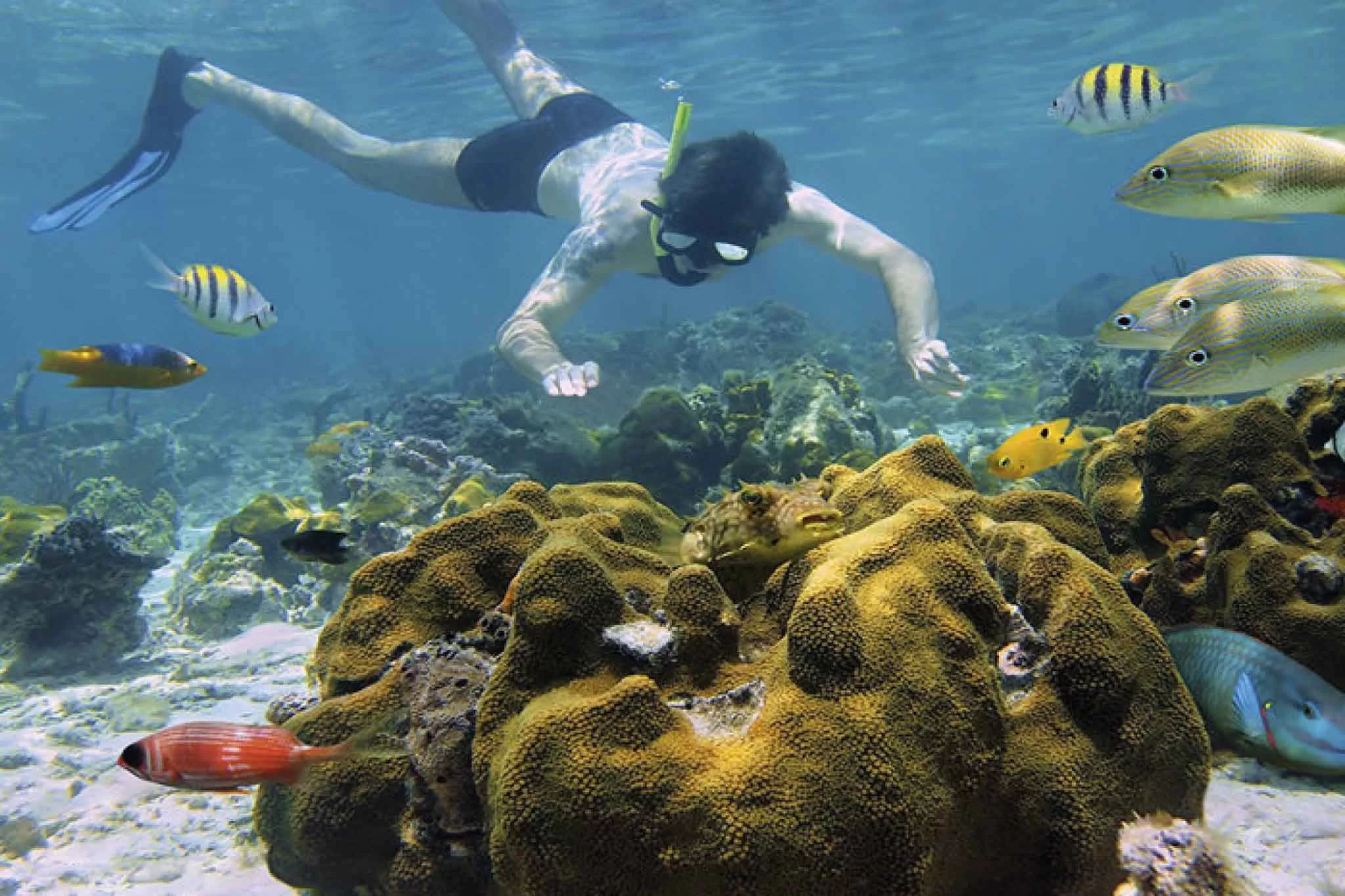
Ninety-five percent of Costa Rica's living coral grows along a narrow twenty-kilometer stretch of the Caribbean coast, where the Talamanca mountain range meets the sea and creates unique current patterns that sustain reef ecosystems. Unlike the Pacific side's seasonal visibility swings, the Caribbean maintains year-round snorkeling access, though September and October bring the heaviest rainfall and the most turbid nearshore conditions. Snorkeling Costa Rica Caribbean coast means working with tidal rhythms rather than fighting them. The reef at Cahuita lies in three to five meters of water at high tide, close enough for freediving but deep enough that wave action rarely stirs the sandy bottom. Morning light penetrates the water column at an angle that illuminates the coral formations without creating harsh shadows, and the onshore breeze that builds after noon hasn't yet generated the surface chop that diffuses visibility. Brain coral colonies the size of washing machines anchor the reef structure, while elkhorn fragments and mustard hill coral create the shallow terraces where sergeant majors, parrotfish, and blue tangs concentrate. The park prohibits fins within the reef zone to prevent accidental coral damage, so propulsion comes from arm strokes and body positioning. A three-millimeter wetsuit or rash guard provides enough thermal protection in water that holds steady between twenty-seven and twenty-nine degrees Celsius. Cahuita's lack of commercial boat traffic means the reef remains undisturbed by engine noise and fuel residue, but it also means no rescue infrastructure beyond the ranger station at the trail entrance—snorkelers work in buddy pairs and stay within sight of the beach. Rainforest runoff creates visibility gradients that shift daily. After heavy rain, tannin-stained freshwater forms a brackish lens at the surface, reducing clarity to two meters until tidal exchange flushes the system. The park's marine sanctuary status prohibits spearfishing and anchoring, which has allowed fish populations to recover to densities rare elsewhere on the Caribbean coast. Sea turtles transit the area between nesting beaches, and nurse sharks rest in sand channels between coral heads, though neither species poses a threat to snorkelers maintaining respectful distance.
“Ninety-five percent of Costa Rica's living coral grows along a narrow twenty-kilometer stretch where the Talamanca range meets the Caribbean.”
Best Time for Snorkeling Costa Rica Caribbean Coast
The best window for snorkeling the Caribbean coast is between 08:00–11:00 to utilize optimal morning light and calm water conditions. Planning your visit during the drier months of September and October often provides the clearest visibility for reef exploration.
Weekday mornings
Minimal crowds—
Prioritize early arrival for the best water clarity and visibility before afternoon winds increase.
September and October
Low to moderateDrier, 26–30°C
These months typically feature the calmest seas on the Caribbean side, ideal for snorkeling.
March and April
ModerateWarm, 27–31°C
Though slightly rainier, these months offer consistent water temperatures suitable for extended sessions.
Verdict: The best slot is a weekday morning during September or October, arriving strictly between 08:00–11:00.
Operating Hours for Snorkeling Costa Rica Caribbean Coast
The Puerto Vargas sector of Cahuita National Park is open daily to visitors for snorkeling and park exploration.
| Monday | 08:00–16:00 | |
|---|---|---|
| Tuesday | 08:00–16:00 | |
| Wednesday | 08:00–16:00 | |
| Thursday | 08:00–16:00 | |
| Friday | 08:00–16:00 | |
| Saturday | 08:00–16:00 | |
| Sunday | 08:00–16:00 |
How to Access Snorkeling Costa Rica Caribbean Coast
Cahuita National Park is located in the Limón Province on the Caribbean coast. Visitors typically access the park via the Puerto Vargas entrance, which is accessible by private vehicle or public bus.
Route 36 to Cahuita village
MEPE bus from San José to Cahuita
From Cahuita village to the park entrance
Preparation for Snorkeling Costa Rica Caribbean Coast
Cahuita National Park protects a living coral reef that requires specific gear and careful behavior from every visitor.
-
Pack reef-safe sunscreen — Chemical sunscreens damage coral; use mineral-based zinc or titanium formulas.
-
Bring or rent snorkel gear — The park does not provide equipment; local operators in Cahuita village rent sets.
-
Wear a rashguard or wetsuit — Protects against sun and jellyfish while eliminating the need for reapplication of sunscreen in the water.
-
Check weather and sea conditions — Rough seas reduce visibility and make swimming more difficult; calm mornings offer the best reef experience.
-
Leave jewelry and shiny objects behind — Reflective items can attract barracuda and other curious fish.
-
Confirm you can swim confidently — The reef lies 50–100 meters offshore with no lifeguards on duty.
Check availability
Frequently asked questions about snorkeling costa rica caribbean coast
Everything you need to know about snorkeling costa rica caribbean coast