

Quick answer
Snorkeling Costa Rica Guanacaste is free at public beaches throughout the province, open 24 hours daily. Arrive between 7:00 and 11:00 AM for optimal water clarity and calm conditions before trade winds pick up in the afternoon. The dry season from December through April delivers the best visibility, though many sites remain diveable year-round when swell and rain permit.
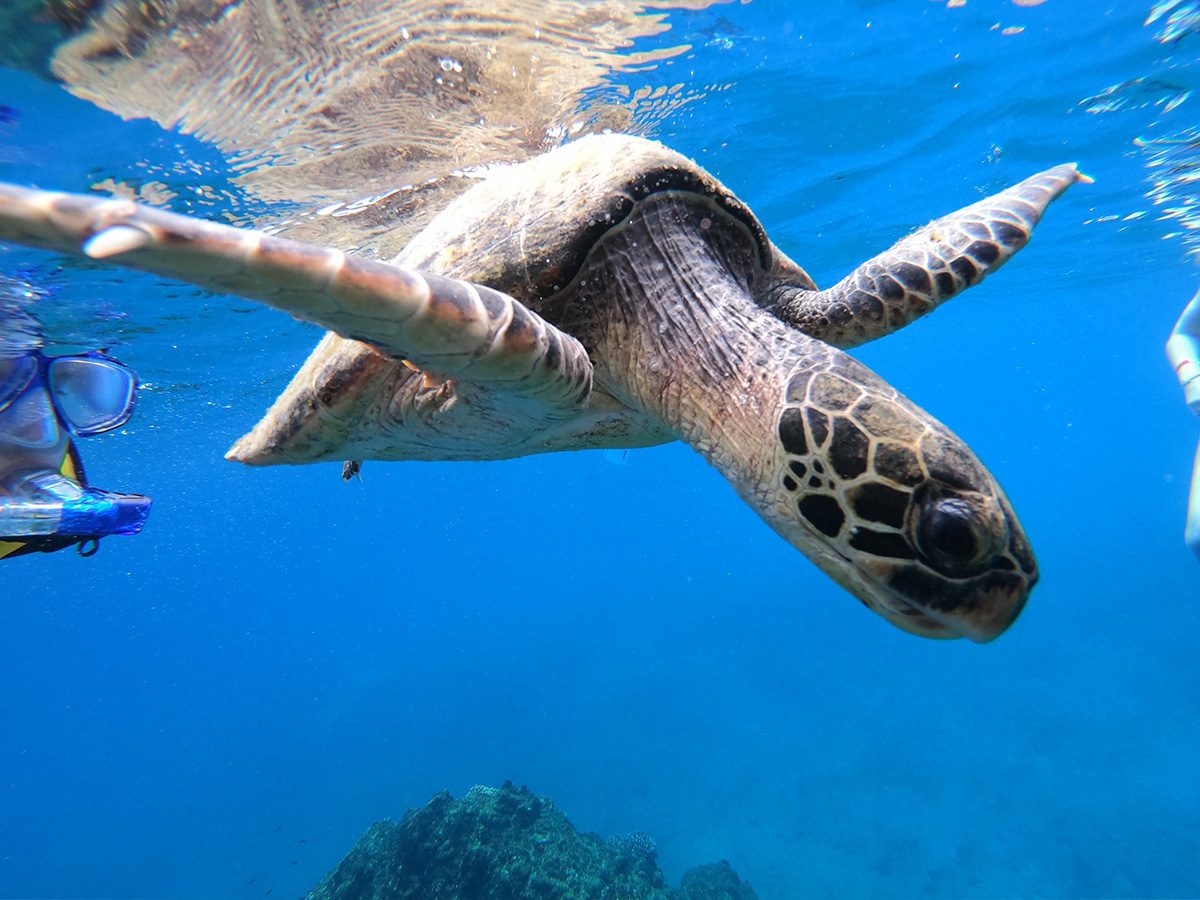
Guanacaste Province holds more than 60 kilometers of accessible Pacific coastline where coral formations and rocky reefs meet white-sand beaches. Public beach access means snorkeling costa rica guanacaste requires nothing more than a mask and fins—no permits, no reservations, no gates. The region's underwater geography splits into two zones. The northern stretch from Playa Hermosa to Playa Ocotal features volcanic rock outcrops that shelter sergeant majors, parrotfish, and spotted eagle rays in water depths of two to five meters. The southern arc from Playa Conchal to Playa Flamingo transitions to coral rubble flats where pufferfish, moray eels, and occasional sea turtles forage in the shallows. Playa Conchal's crushed-shell beach and Playa Danta's protected cove rank among the most dependable entry points for beginners, while experienced snorkelers target the Catalina Islands and Bat Islands by boat for pelagic encounters. Morning snorkeling along Guanacaste's coast captures the Pacific at its stillest. Trade winds arrive after midday, reducing visibility from ten meters to three as suspended sediment clouds the water column. The dry season delivers the longest windows of calm, but the green season from May through November brings plankton blooms that attract manta rays and whale sharks to offshore sites. Shore snorkelers working the reefs near Playa del Coco and Playa Potrero see the highest fish density during incoming tides, when nutrients funnel into the shallows. Water temperature holds steady between 26°C and 29°C year-round, eliminating the need for thermal protection beyond a rashguard for sun coverage. Most visitors snorkel without a wetsuit. The province's reliable access and forgiving conditions make it a practical base for multi-day exploration—several beaches lie within a 30-minute drive of one another, and the infrastructure supports independent travel without requiring guided tours for basic shore dives.
“Guanacaste's volcanic rock outcrops shelter sergeant majors and parrotfish in water depths shallow enough to freedive without training.”
Best Time of Day for Snorkeling Costa Rica Guanacaste
The best arrival window for snorkeling in Guanacaste is 07:00–11:00, as this period provides the highest water clarity and calmest sea conditions. Afternoon winds frequently increase surface chop, which can reduce visibility for snorkelers.
Dry Season (Dec–April)
High; popular with touristsLow rainfall, 28–32°C; consistent visibility
Green Season (May–Nov)
Lower; fewer visitorsBrief afternoon showers, 27–30°C; variable clarity
Daily Early Morning
Minimal crowds—; optimal water conditions and calm seas
Verdict: Plan your snorkeling trips during the dry season months, arriving daily between 07:00 and 11:00 to maximize water quality.
Entrance Fees and Costs for Snorkeling Costa Rica Guanacaste
Snorkeling costs in Guanacaste depend on whether you are accessing public shorelines independently or booking a guided boat excursion. Shore access to public beaches remains free of charge.
You will pay 0 USD for independent shore access, while total costs fluctuate based on the specific boat tour or equipment rental services chosen.
Getting to the Best Spots for Snorkeling Costa Rica Guanacaste
Guanacaste Province, Costa Rica, is best accessed by private vehicle or local shuttle services due to the dispersed nature of the coastline's beaches. Renting a car provides the necessary flexibility to navigate between the various bays and coastal access points.
Route 21 to Route 155 to reach Playa Conchal
Route 21 to Route 158 to reach Playa Hermosa
Private transfer services to coastal hubs
Local taxi services from major towns
Preparation for Snorkeling Costa Rica Guanacaste
Shore snorkeling in Guanacaste requires minimal gear but proper preparation ensures comfort and safety in open water.
-
Pack your own mask, snorkel, and fins — Rental availability varies by beach and equipment quality may be inconsistent.
-
Bring reef-safe sunscreen (non-oxybenzone) — Guanacaste beaches border protected marine areas where chemical sunscreens harm coral.
-
Wear a rash guard or wetsuit top — Surface sun exposure is intense even in water, and protection prevents both burn and stings.
-
Carry drinking water in a sealed container — Dehydration occurs quickly in tropical heat, especially after time in saltwater.
-
Arrive between 07:00–11:00 for best visibility — Afternoon winds reduce water clarity and increase surface chop.
-
Confirm beach access and facilities beforehand — Not all Guanacaste snorkeling sites offer parking, showers, or lifeguard presence.
Check availability
Common Questions About Snorkeling Costa Rica Guanacaste
Everything you need to know about snorkeling costa rica guanacaste