

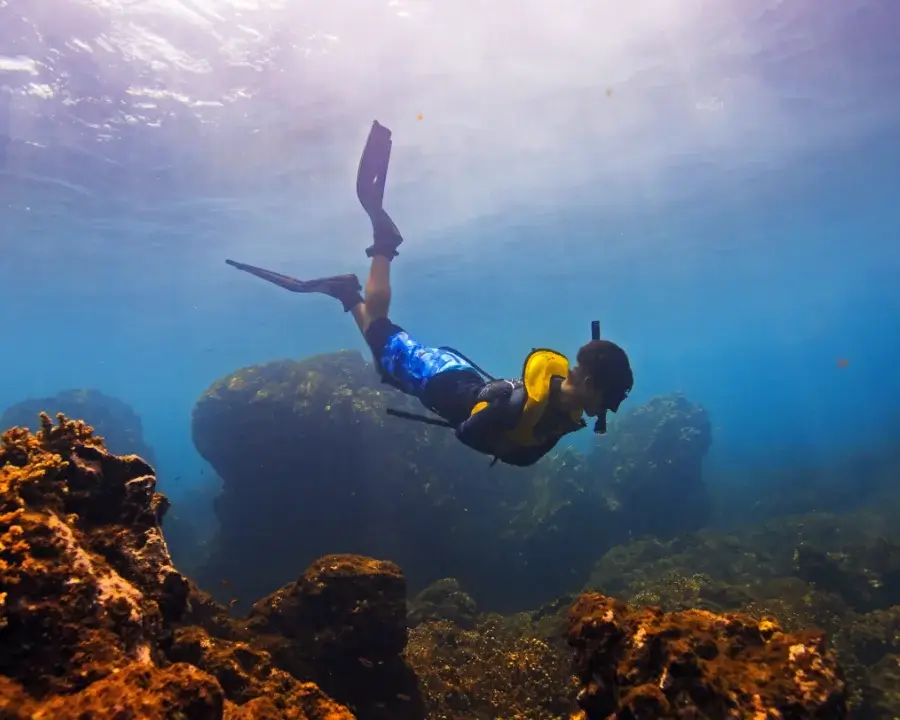
Quick answer
Marino Ballena National Park operates daily from 07:00 to 16:00, with a $6 per-person conservation fee plus tax. The Whale Tail formation—a natural sandbar visible only at low tide—offers the most protected snorkeling conditions when accessed during the morning low-tide window. Afternoon high tides reduce visibility and limit safe access to coral pockets near the formation's tip.
The Whale Tail formation extends 800 meters into the Pacific during neap tides, creating two distinct snorkeling zones: the shallow inner channel where parrotfish and sergeant majors feed over turtle grass, and the outer reef edge where brain coral colonies attract angelfish and spotted eagle rays. This tombolo—a rare sandbar connecting the mainland to a former island—exists because of sediment deposits from the Uvita and Morete rivers meeting offshore currents. Snorkeling costa rica uvita requires coordination with tide tables published by the national meteorological institute. The sandbar disappears entirely two hours before and after high tide, turning calm shallows into open water with strong rip currents. Rangers enforce the 16:00 park closure regardless of tide state. Most visitors arrive by 08:00, when the receding tide exposes the walking path to the Whale Tail's tip and visibility reaches 15–20 meters in the protected western pocket. Marino Ballena protects 110 hectares of coral reef distributed across four major rock formations. The Tres Hermanas islets, located 400 meters offshore from the main beach, hold the densest brain and elkhorn coral coverage. Snorkelers here encounter green sea turtles year-round and hawksbill turtles from August through October. The park's southern boundary at Punta Uvita offers vertical reef walls dropping to 12 meters, accessible only during optimal conditions with experienced guides. Gear rental operates from vendor stalls at the Playa Uvita entrance, 200 meters north of the ranger station. Standard sets include mask, snorkel, and fins; full-foot fins work better than adjustable straps on the rocky entry points. The $6 conservation fee applies per person regardless of activity—hikers, swimmers, and snorkelers pay the same rate. No separate snorkeling permit exists. Cash payment in colones or U.S. dollars is accepted at the ranger booth; card terminals are not available on-site.
“The Whale Tail disappears entirely two hours before and after high tide, turning calm shallows into open water with strong rip currents.”
Best Time and Tidal Windows for Snorkeling Costa Rica Uvita
The best arrival window for snorkeling Uvita is 07:00–12:00, as low tide is essential for accessing the Whale Tail and ensuring maximum snorkeling visibility.
December–April
HighDry, 28-32°C. Frequent visitors enjoy calm, clear seas.
May–November
LowRainy, 25-29°C. Afternoon showers are common; prioritize morning outings.
Weekday mornings
Low—
Mid-week arrivals minimize crowds and provide the best access to tidal zones.
Verdict: Visit Tuesday to Thursday, arriving at 07:00 during the low tide window in January or February.
Opening Hours for Snorkeling Costa Rica Uvita
Marino Ballena National Park maintains consistent operating hours throughout the week to facilitate snorkeling and other coastal activities.
| Monday | 07:00–16:00 | |
|---|---|---|
| Tuesday | 07:00–16:00 | |
| Wednesday | 07:00–16:00 | |
| Thursday | 07:00–16:00 | |
| Friday | 07:00–16:00 | |
| Saturday | 07:00–16:00 | |
| Sunday | 07:00–16:00 |
Getting to Snorkeling Costa Rica Uvita Sites
The snorkeling sites in Uvita are located within Marino Ballena National Park, accessible via the main coastal highway. Most visitors reach the park entrances by vehicle before proceeding on foot to the beach areas.
Highway 34 (Costanera Sur) to Uvita town entrance
Tracopa bus to Uvita station
From Uvita town center to the park entrance
Local service within Uvita to the park gate
Key Snorkeling Costa Rica Uvita Reefs and Zones
Marino Ballena National Park hosts diverse marine ecosystems centered around the iconic Whale Tail formation. Snorkeling focuses on the protected rocky reefs that support coral growth and schooling fish species.
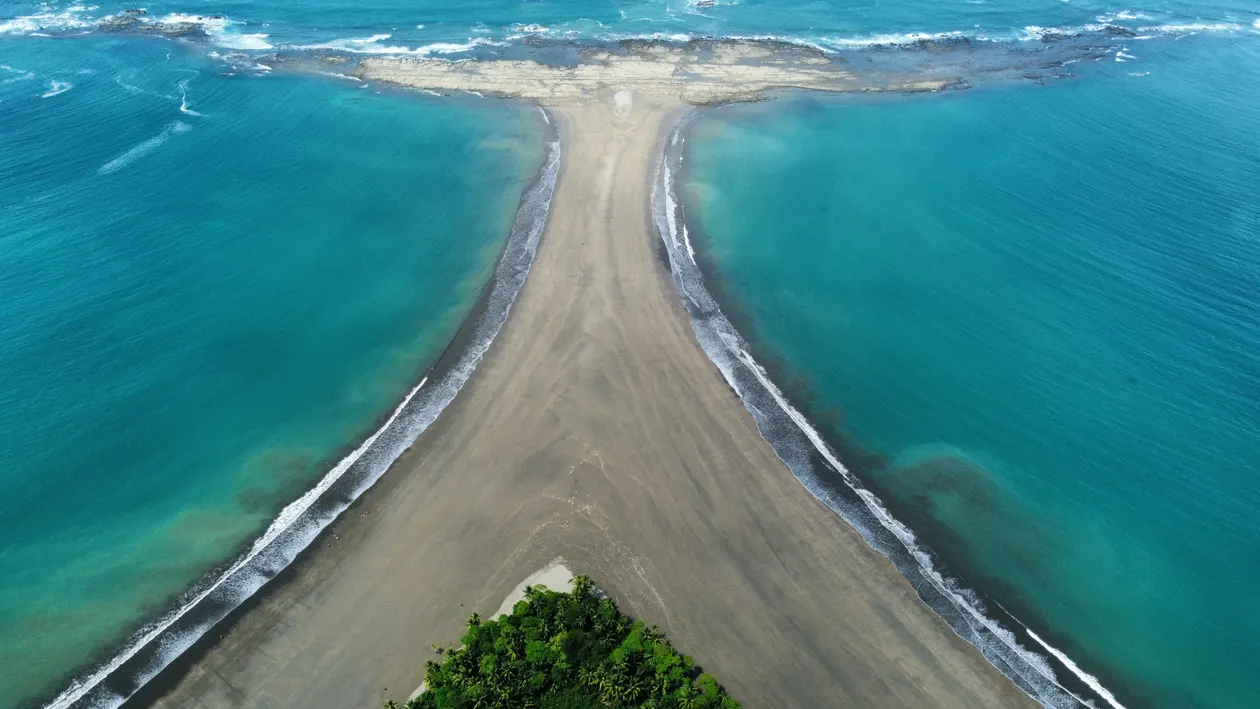
Whale Tail Reef
Located along the tombolo formation, these rocky reefs become accessible during low tide. The area features diverse coral colonies and schools of Pacific surgeonfish.
Visit during low tide to access the reef edge safely.
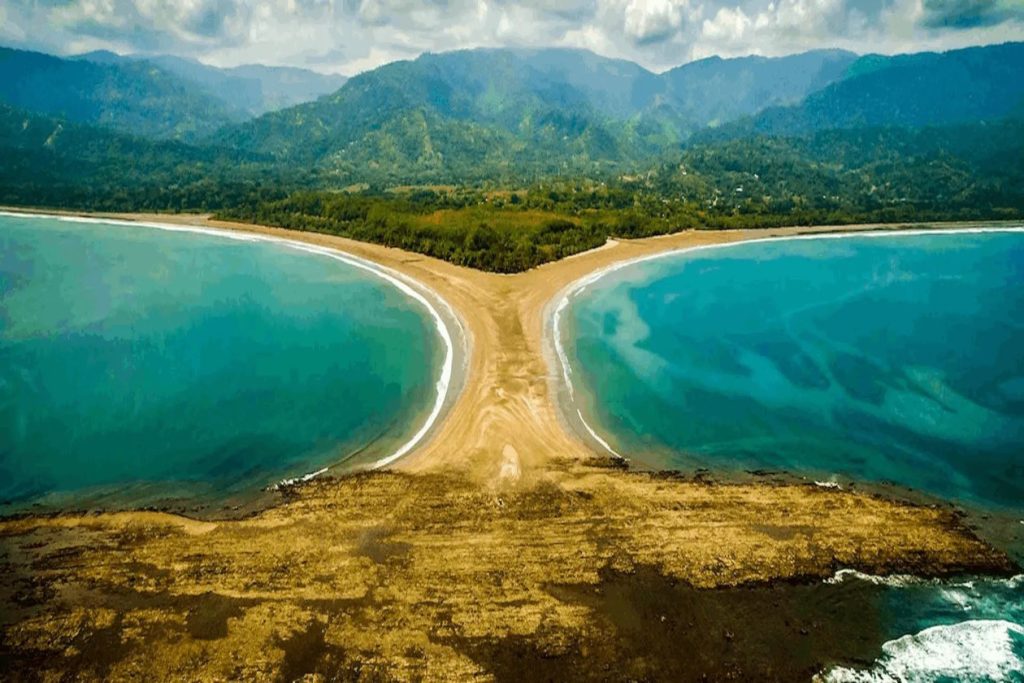
Isla Ballena
A small island located just offshore that serves as a primary snorkeling site. The surrounding waters provide clearer visibility and opportunities to observe sea turtles and rays.
Take a boat tour to reach the island effectively.
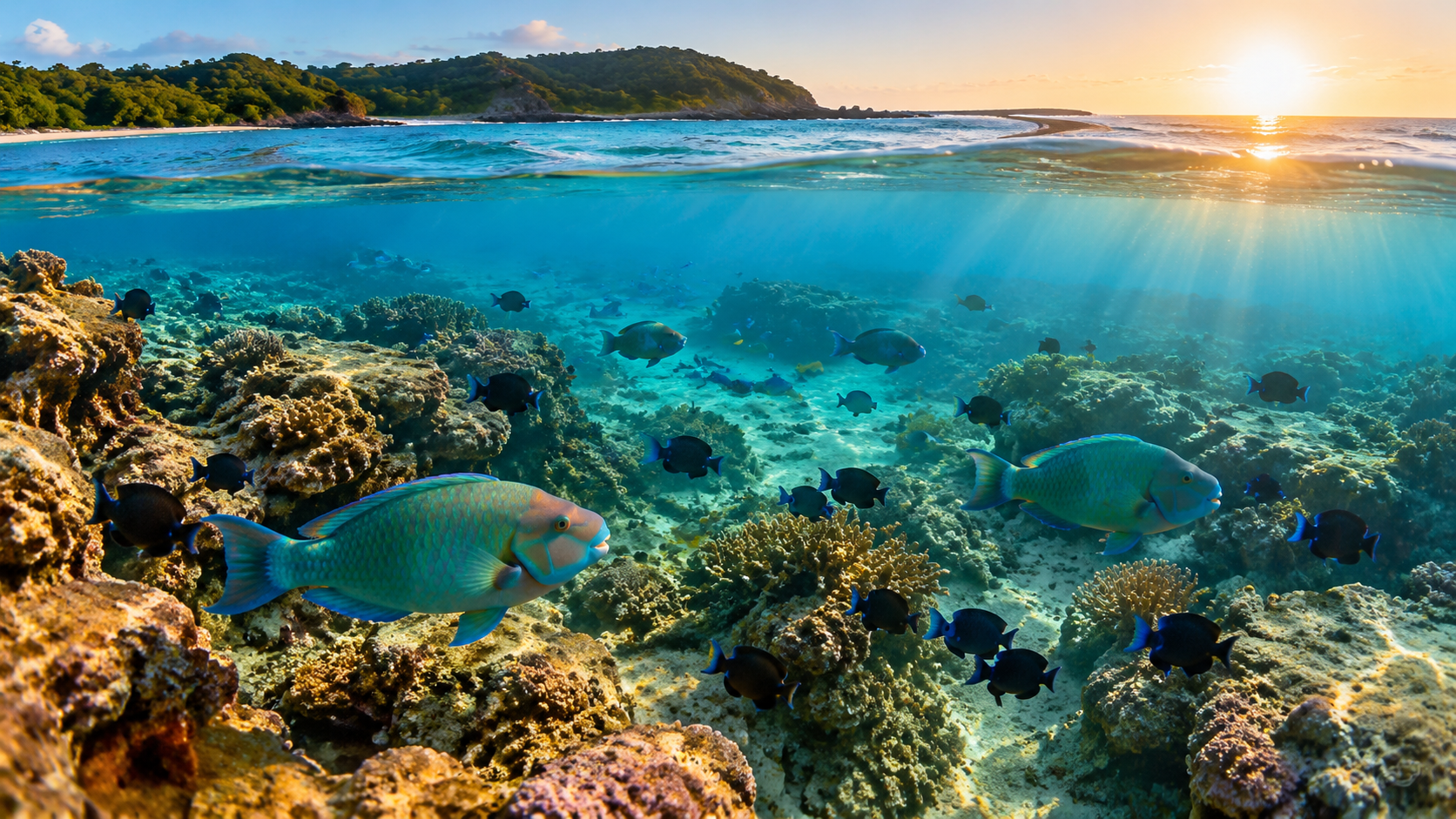
Punta Uvita Reef
This reef zone sits near the tip of the Whale Tail. It attracts various marine life including parrotfish and damselfish in the shallow, protected channels.
Keep a distance from the rocks during incoming tides.
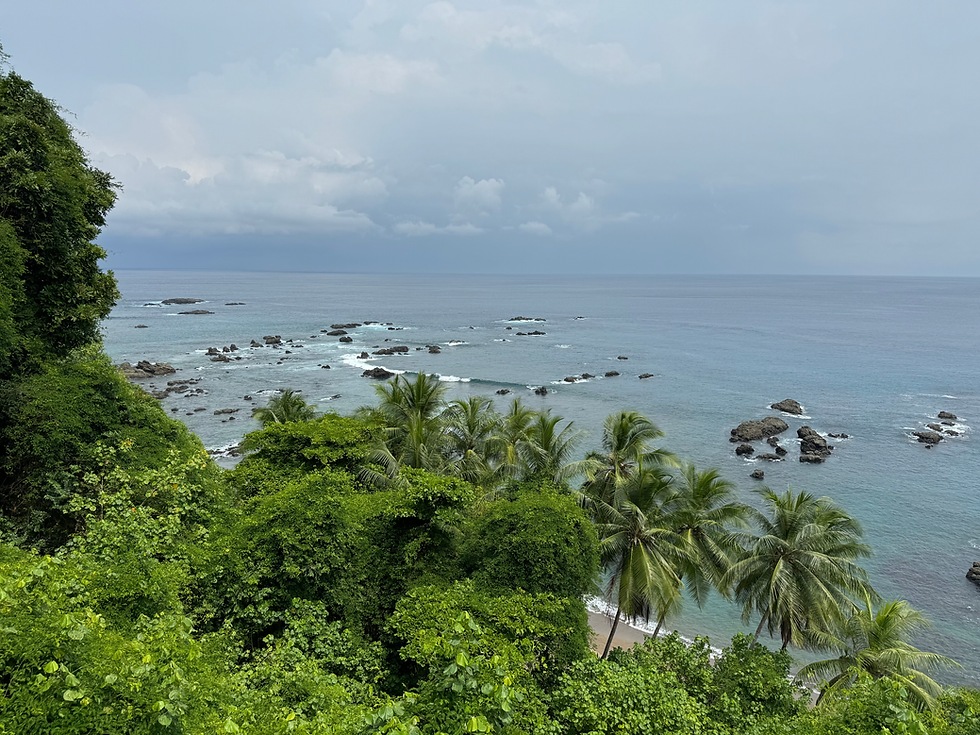
Tres Hermanas Islets
These three rock formations create an environment for snorkelers to explore deeper water marine life. The currents here support octopuses and occasionally reef sharks.
Observe from a distance to protect delicate coral structures.
Checklist for Your Snorkeling Costa Rica Uvita Trip
Pack strategically for reef conditions and full-day sun exposure at Marino Ballena.
-
Bring reef-safe sunscreen (SPF 50+) — Chemical sunscreens damage coral; biodegradable formulas protect both you and the marine ecosystem.
-
Pack a rash guard or wetsuit — Water temperatures average 27°C but extended snorkeling sessions cause cooling; UV protection matters even underwater.
-
Carry 2+ liters of water per person — No vendors operate inside the park boundaries and dehydration accelerates in tropical humidity.
-
Bring your own snorkeling gear if possible — Rental availability in Uvita is inconsistent; a well-fitted mask prevents leaks and improves visibility.
-
Pack waterproof bag for valuables — Beach theft occurs; keep phones, wallets, and car keys sealed and within sight.
-
Wear water shoes with grip — Rocky entry points and sea urchins make barefoot access risky, especially at low tide.
Check availability
Frequently Asked Questions About Snorkeling Costa Rica Uvita
Everything you need to know about snorkeling costa rica uvita